



How do we illuminate the monuments of Rome?
Artistic lighting is the result of a collaboration between experts, technological innovation, and a deep respect for historical heritage.
We enhance the artistic heritage of the capital through sustainable and innovative lighting of monuments.
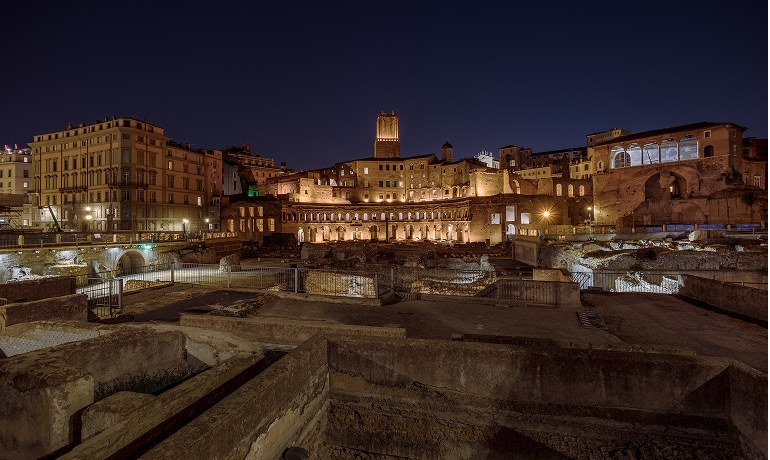
We illuminate monuments with 6,000 lighting points and LED technology, telling a unique story through ecological and sustainable solutions.
We restored part of the power lines and introduced a new remote control technology that allows us to manage the floodlights remotely.
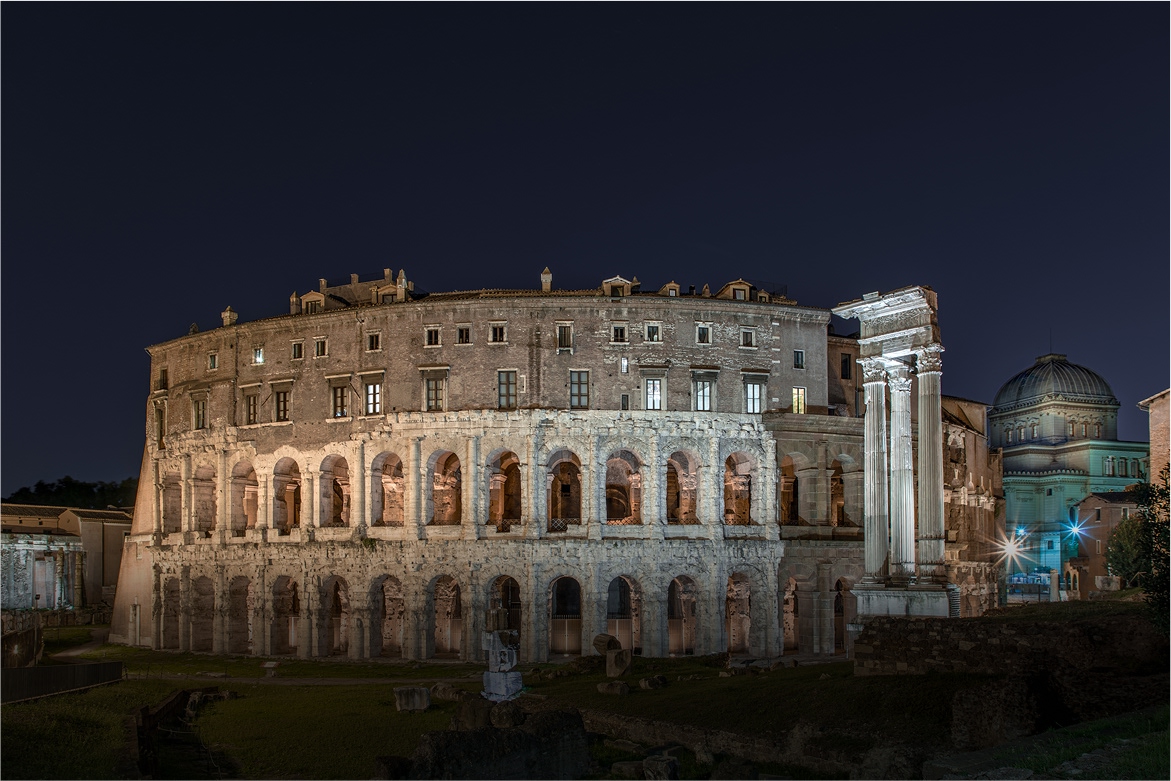
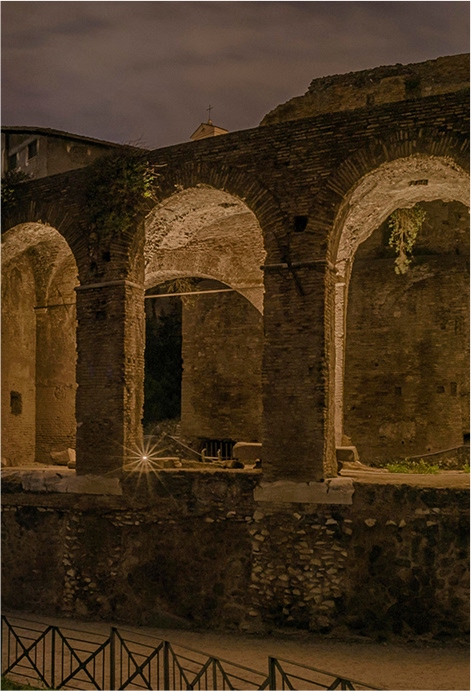
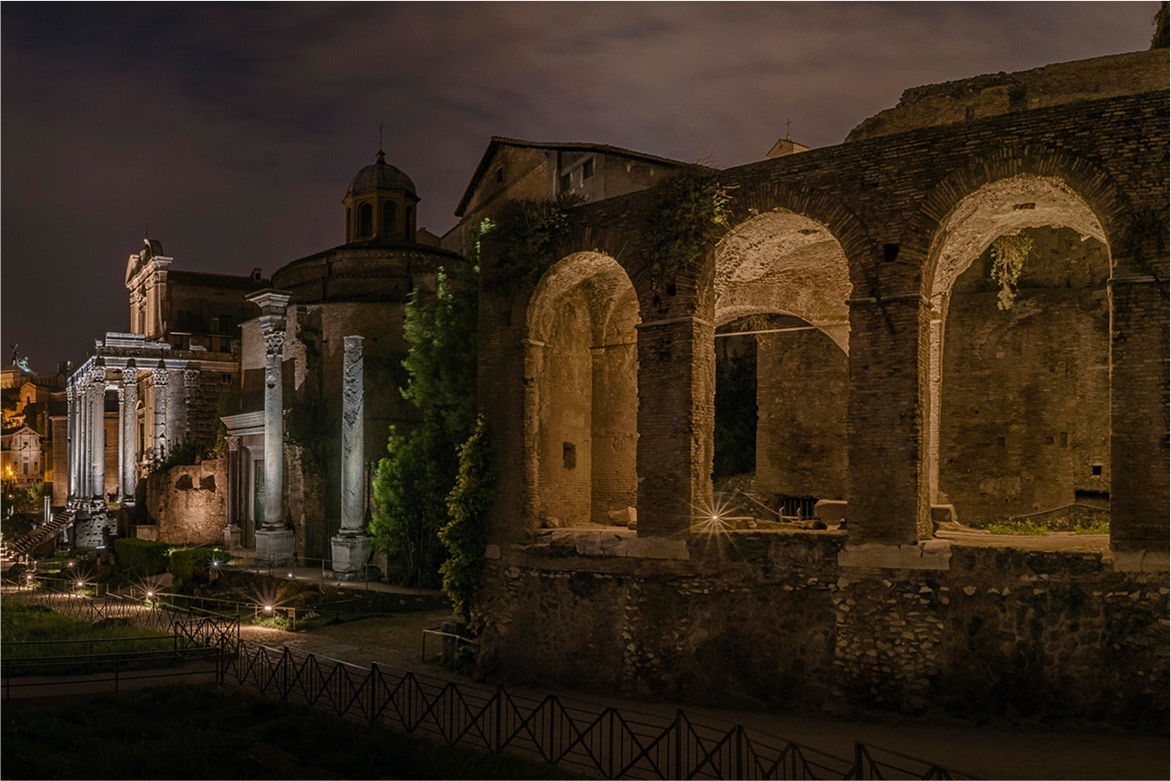
We fully illuminated the arches of the first and second tiers of the Theatre of Marcellus, along with the archaeological remains in the surrounding area, including the Corinthian columns of the Temple of Apollo Sosianus.
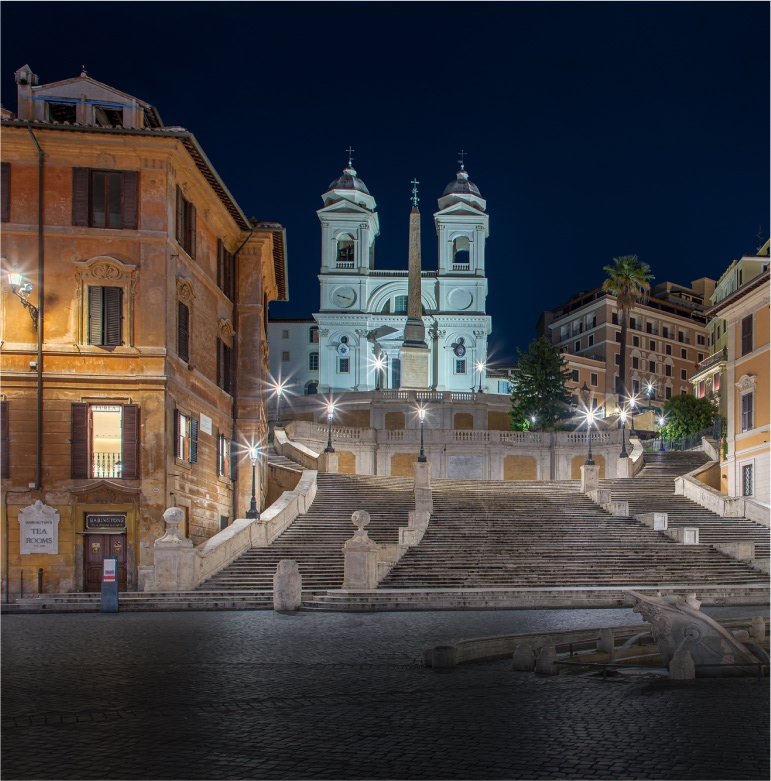
The famous staircase, which has already undergone careful restoration, now shines with new lighting featuring various optical effects: circular light for the outer walls and asymmetrical beams to guide the light.
We enhanced the façade, side elevations, square, portico, and the loggia of the basilica, while minimizing both the visual impact of the floodlights and energy consumption, which has significantly decreased.
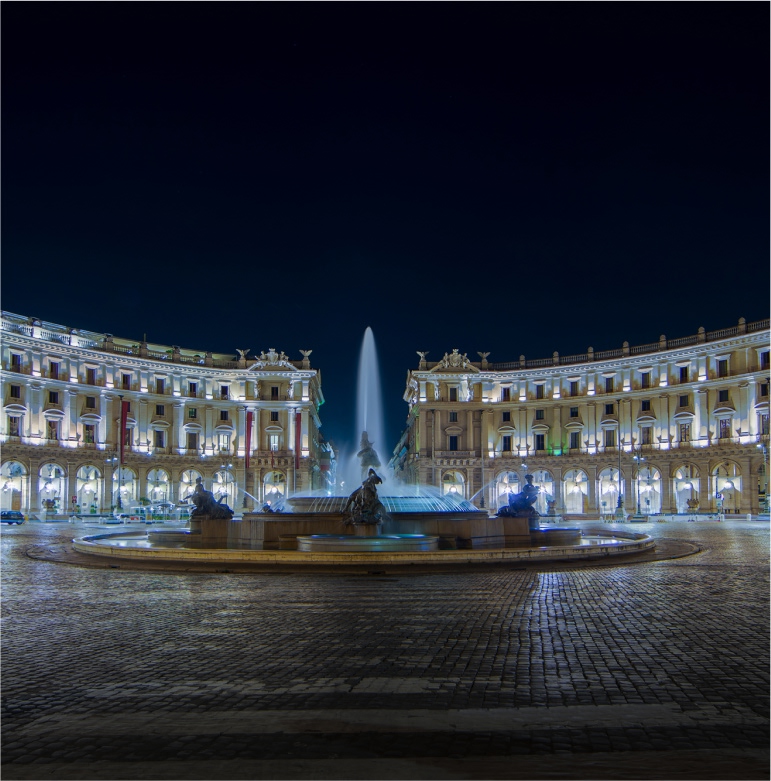
We illuminated the main and side elevations of the two buildings, enhancing the neoclassical façades with LED technology that integrates seamlessly into the surrounding environment.
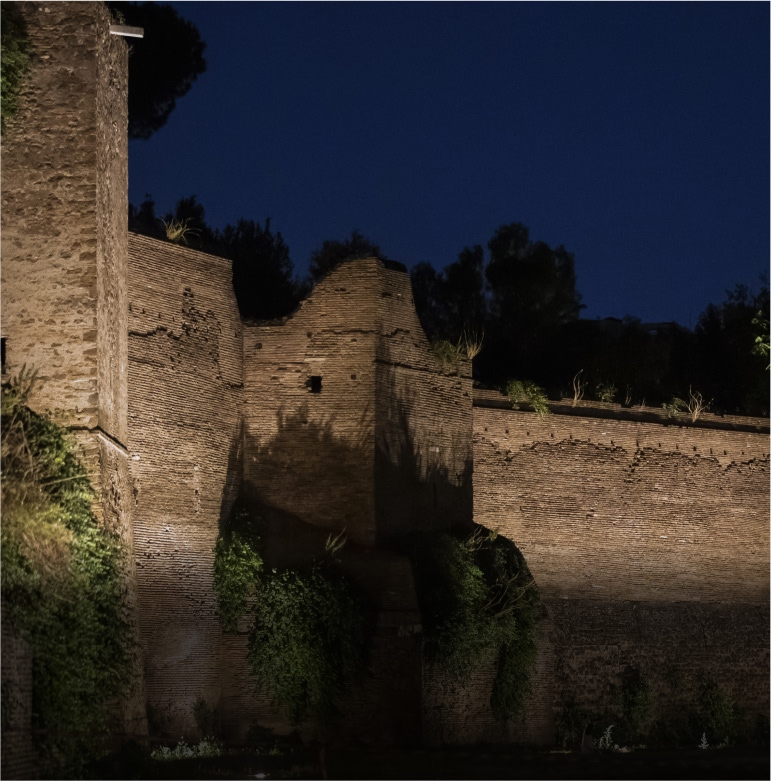
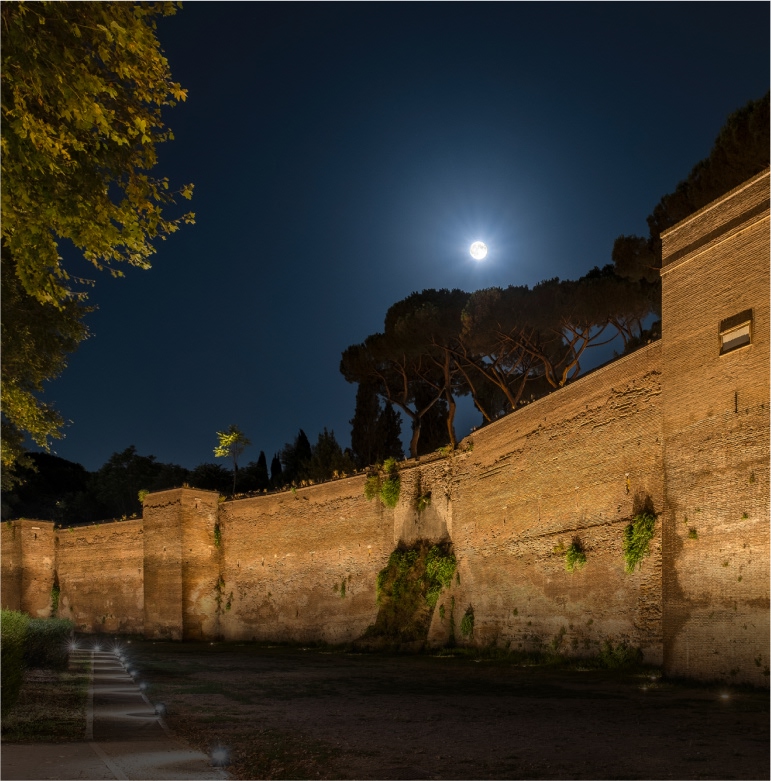
Thanks to our intervention, the section of the Aurelian Walls between Via Cristoforo Colombo and Via Numidia has gained new visibility. 142 floodlights now warm, even illumination.
We restored depth and charm to the Aurelian Walls along the Viale Metronio stretch. The monument is now seamlessly integrated into the urban landscape, bathed in warm light.
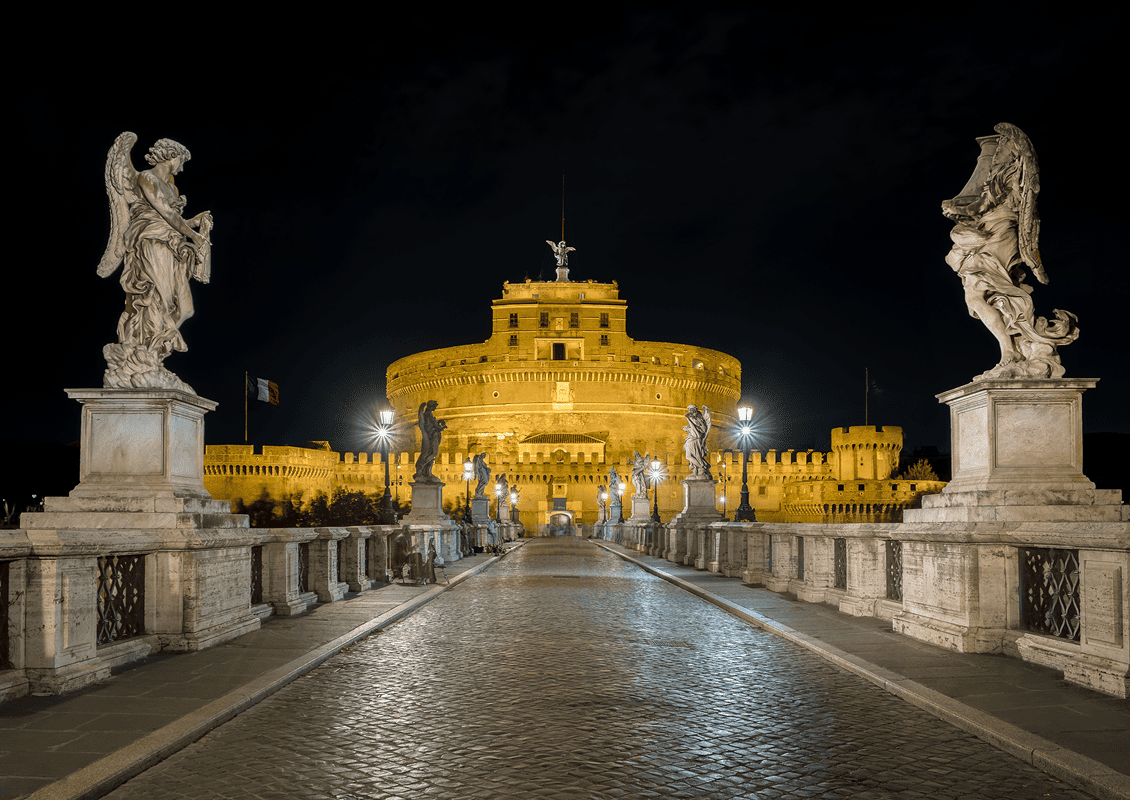
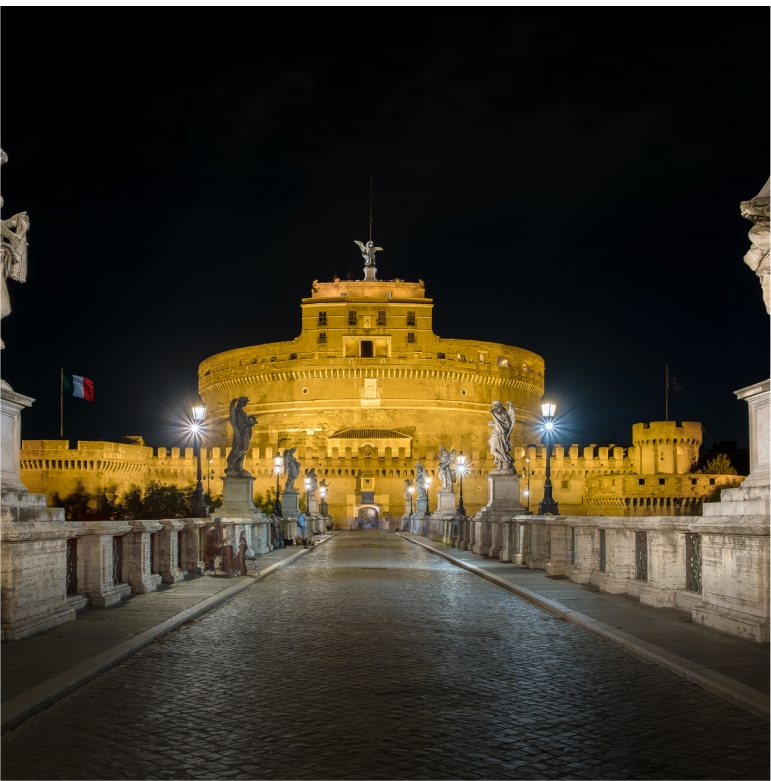
Castel Sant’Angelo
We restored part of the power lines and introduced a new remote-control technology that that allows the floodlights to be managed remotely.
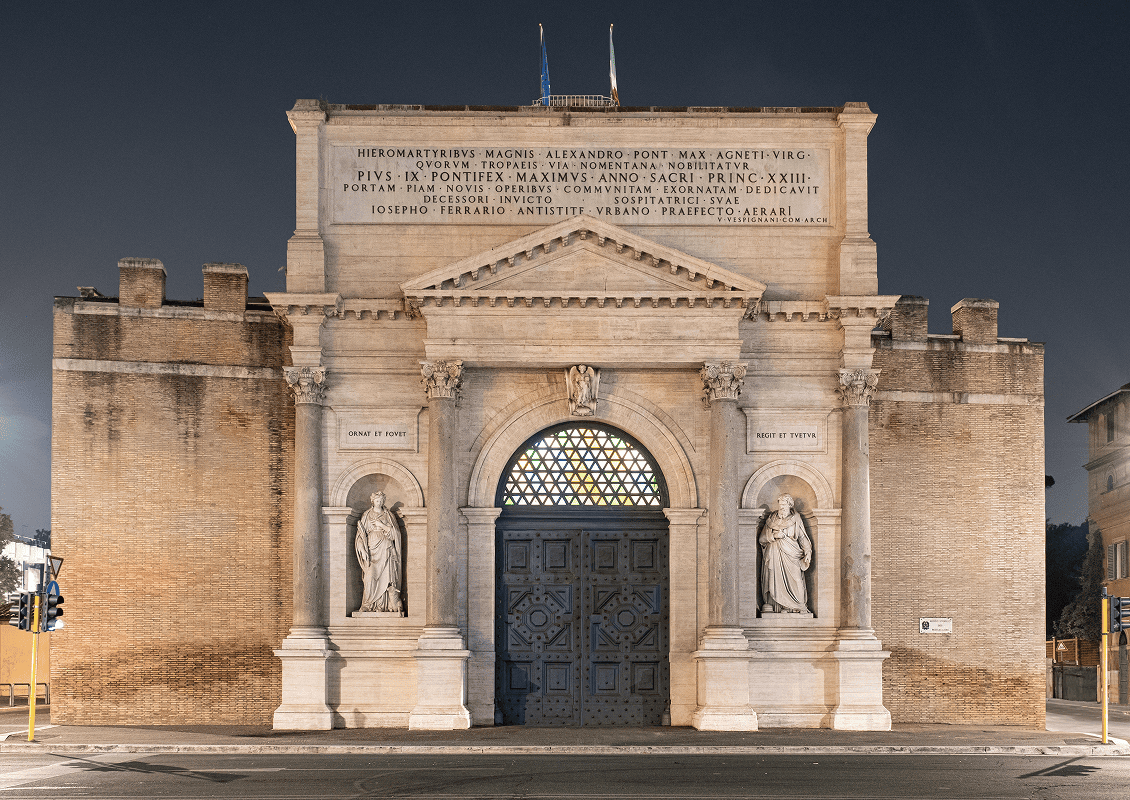
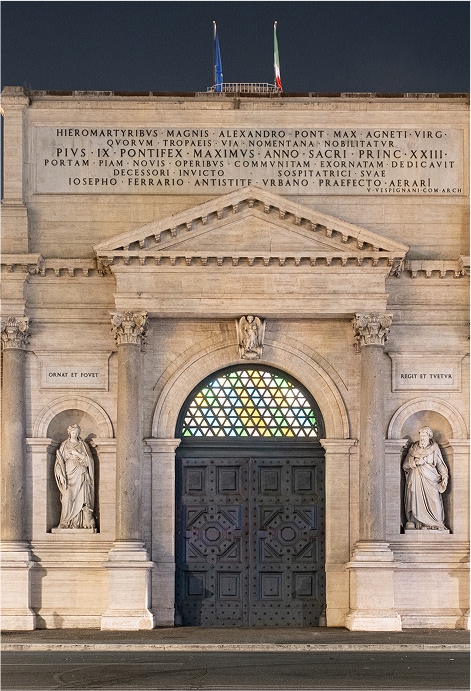
On the occasion of the 150th anniversary of the taking of Porta Pia, we inaugurated the new lighting system for the square and the Bersagliere Monument.
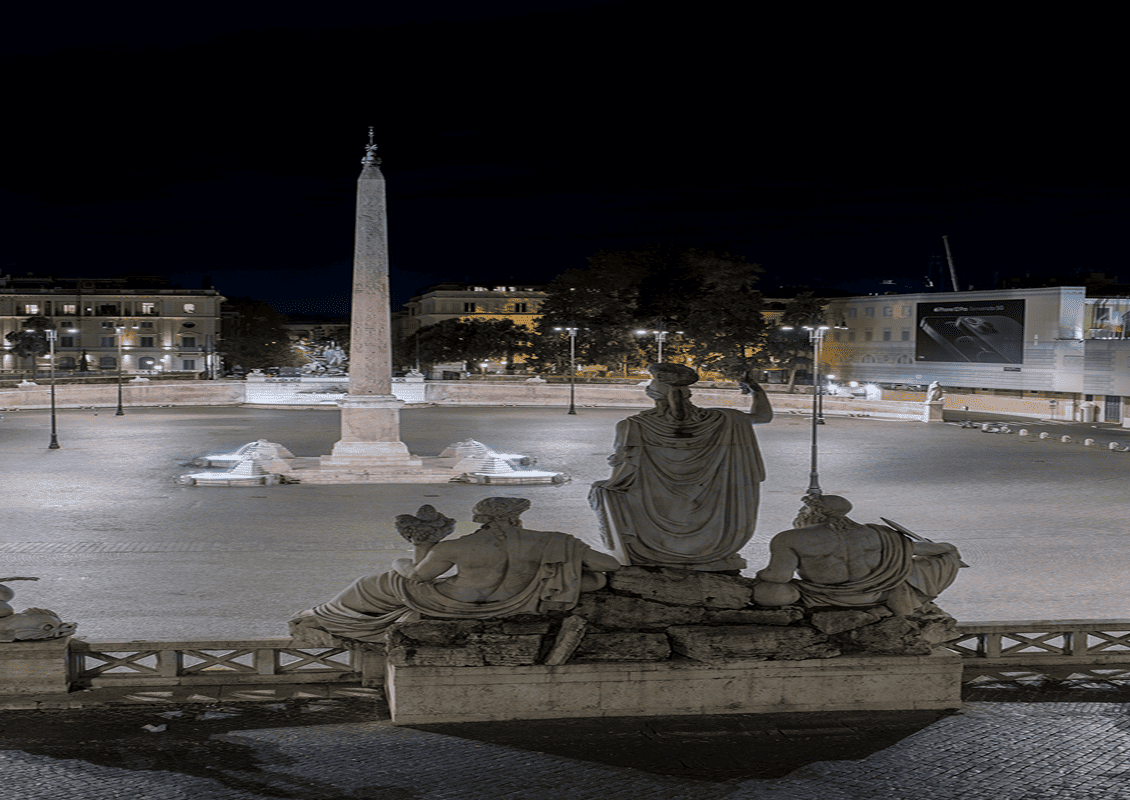
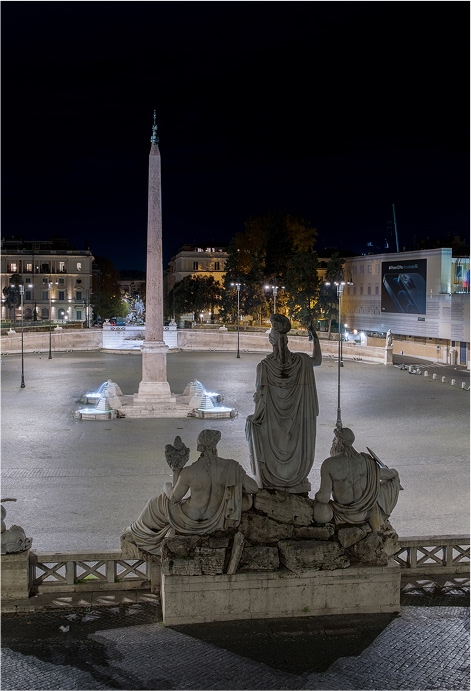
For the new lighting in Piazza del Popolo, we used state-of-the-art LED lights and precision optics with a remote control system, achieving a reduction in energy consumption.
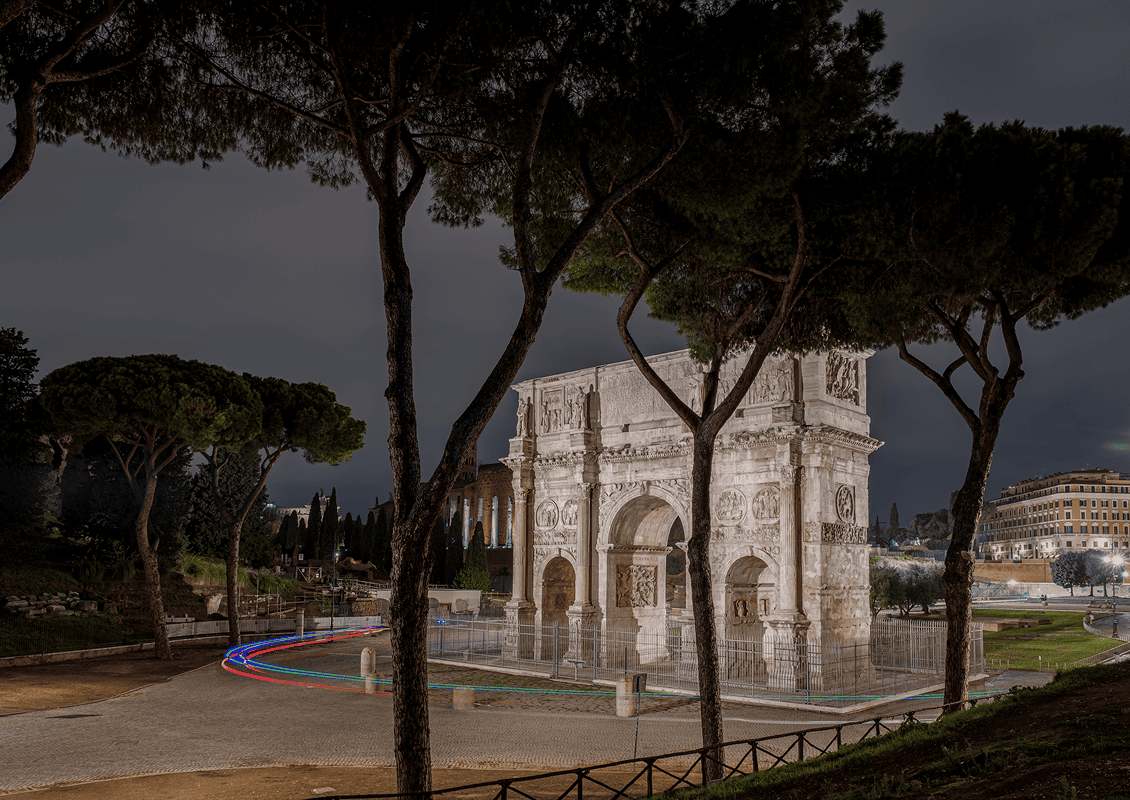
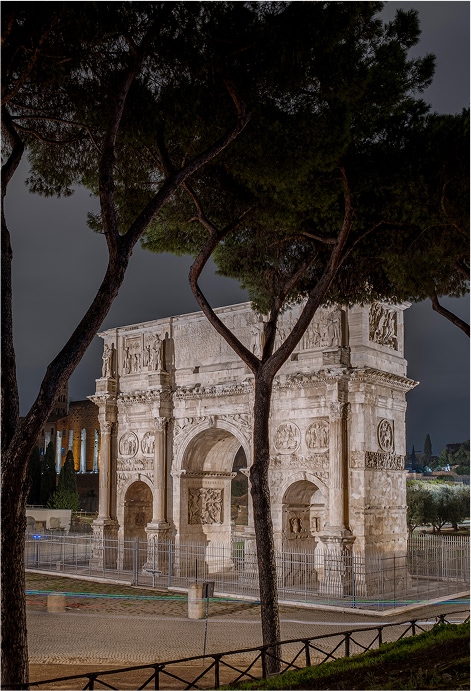
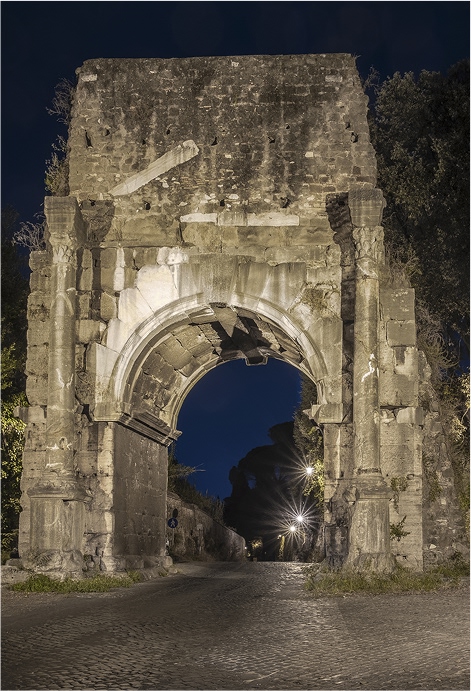
The new lighting system of the Arch of Constantine enhances the majesty of the monument, reduces the visual impact of the spotlights, and improves the chromatic effect of the accent lighting.
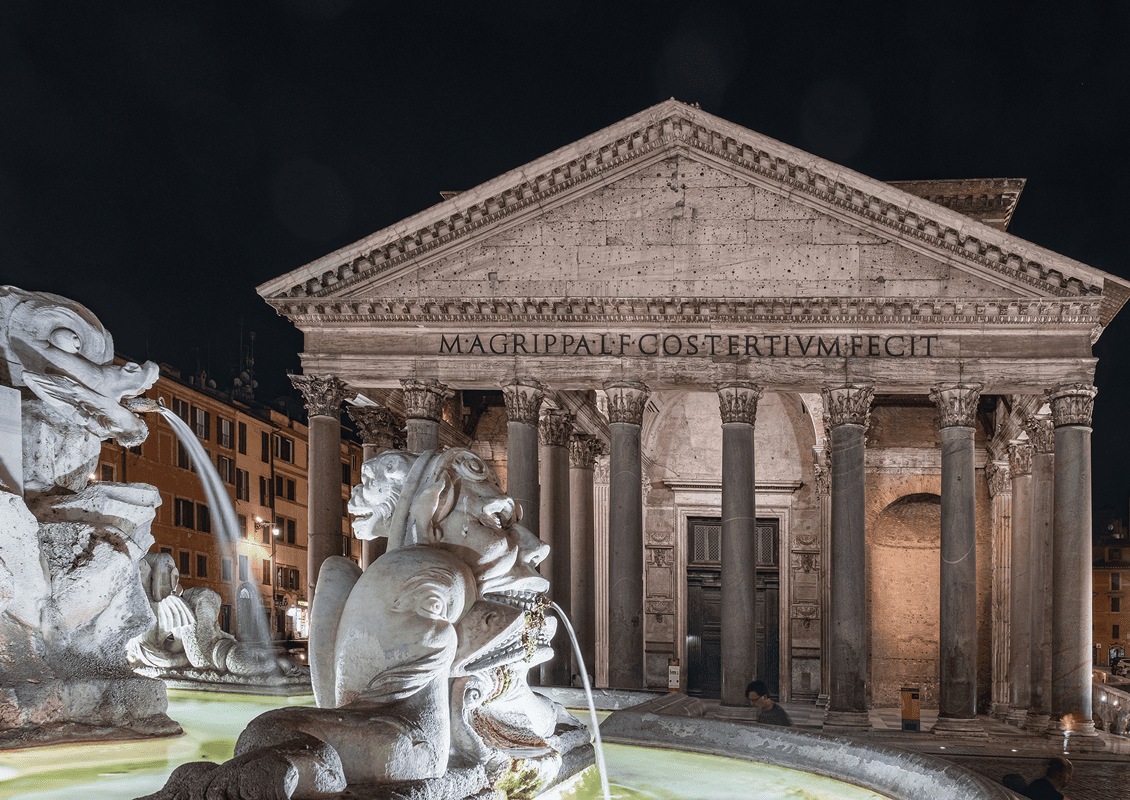
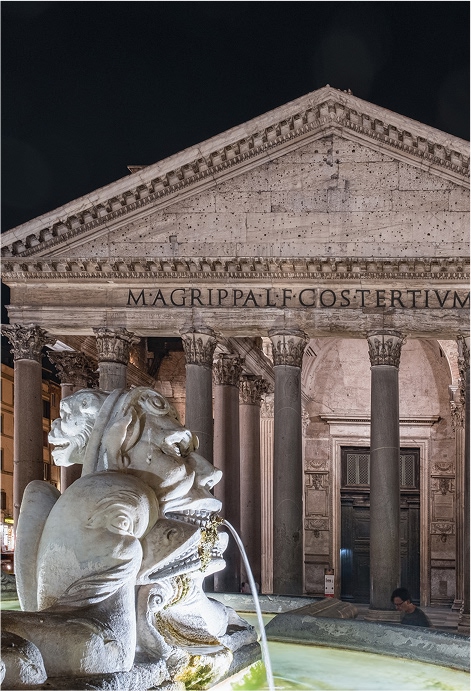
The Pantheon's new lighting enhances its beauty while reducing energy consumption. The system, equipped with Wi-Fi and Bluetooth devices, is perfectly integrated with the structure.
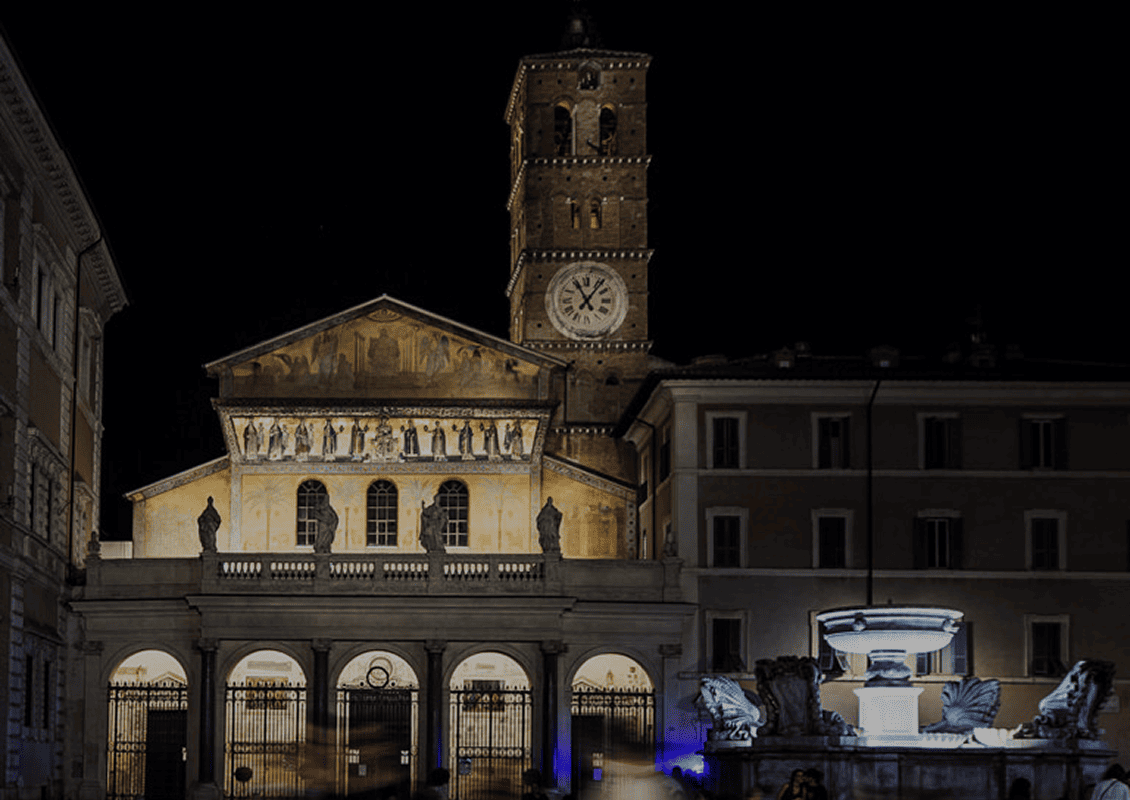
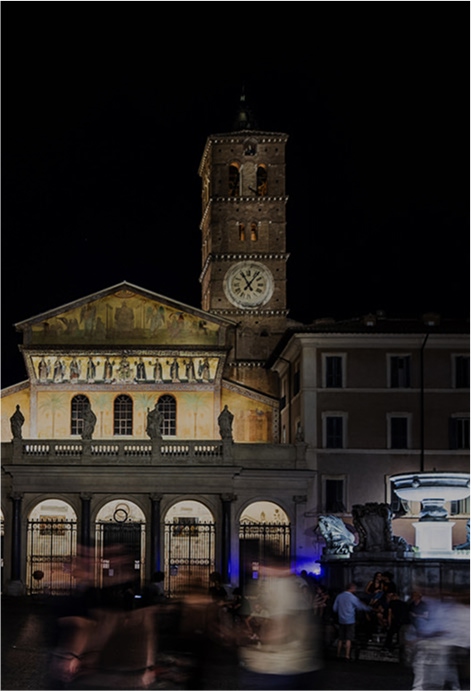
For the lighting system of the Basilica of Santa Maria in Trastevere, we used a digital control system that allows each lighting point to be managed via Wi-Fi and Bluetooth.
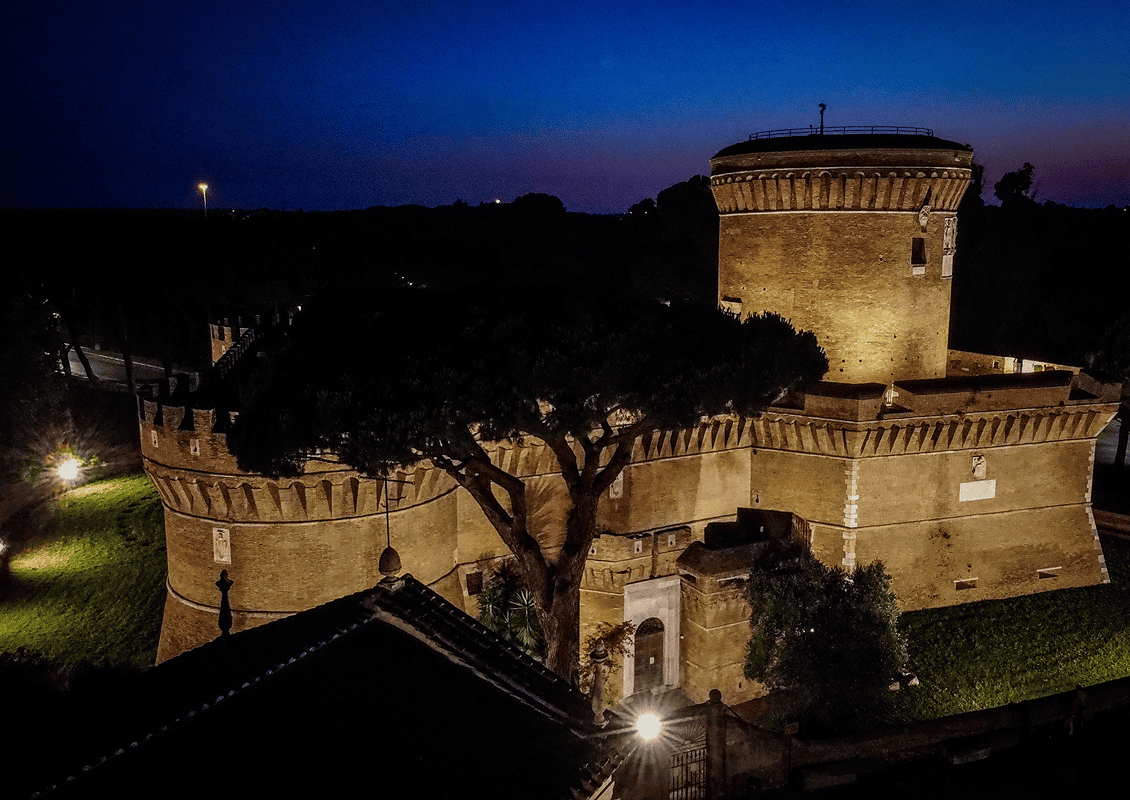
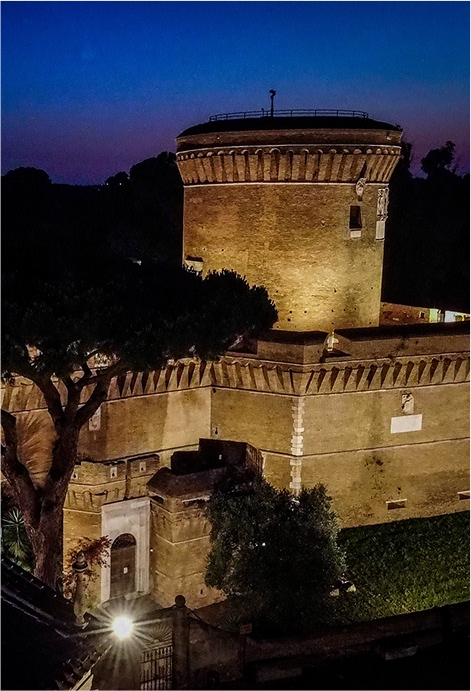
We renewed the artistic lighting system in the Borgo of Ostia Antica and upgraded the street lighting.
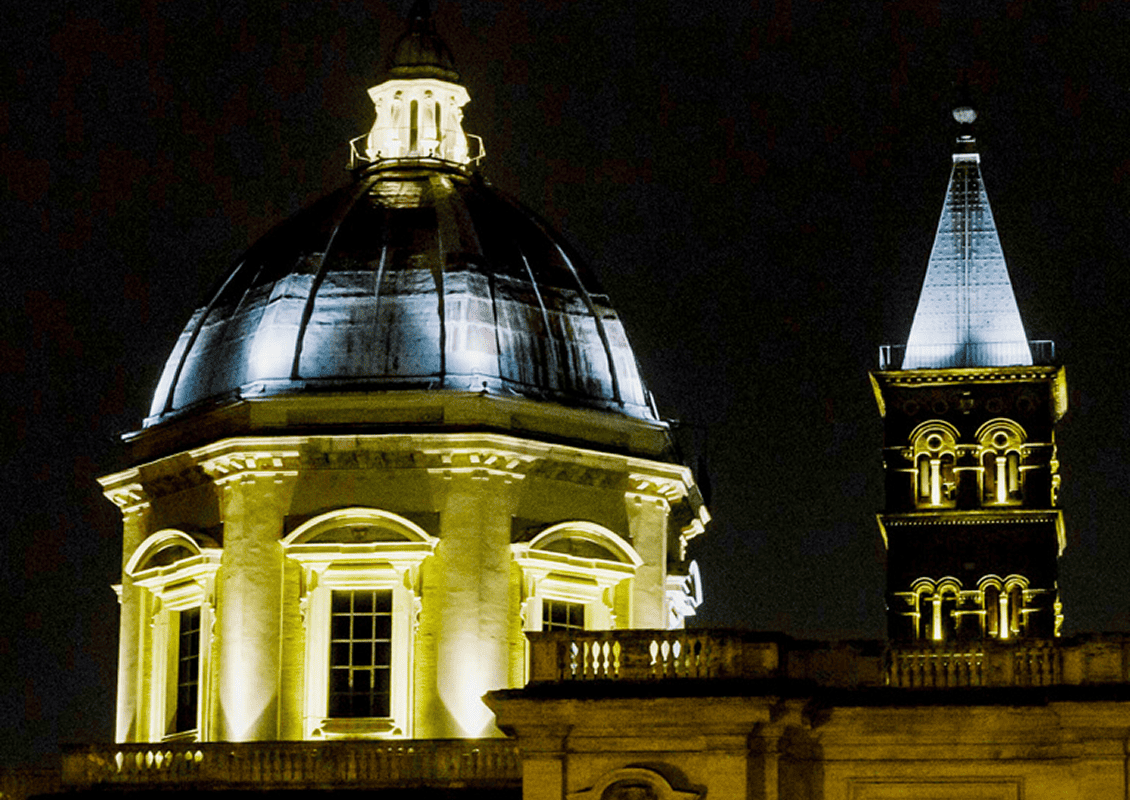
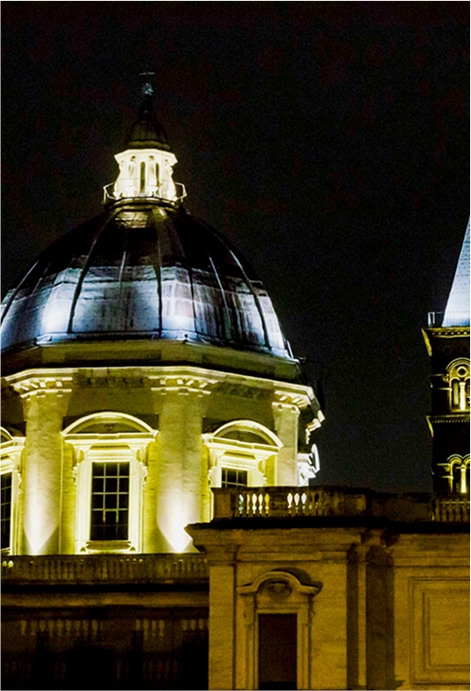
We renewed the lighting of the façade, the bell tower, and the Sistine and Pauline Chapels, restoring the mosaic loggia and the lower portico. We also illuminated the bronze sculpture of the Virgin and Child for the first time.
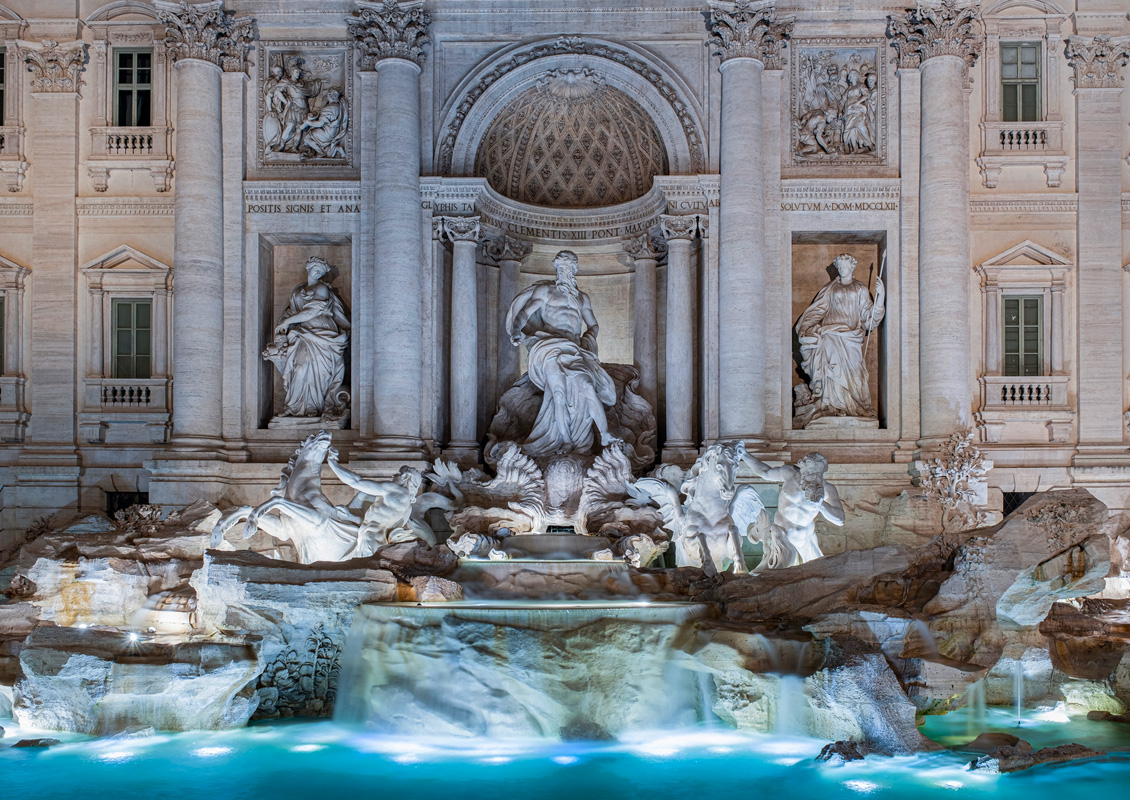
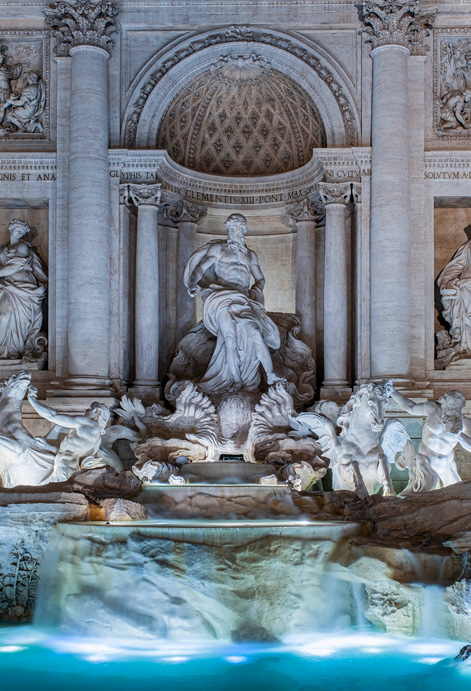
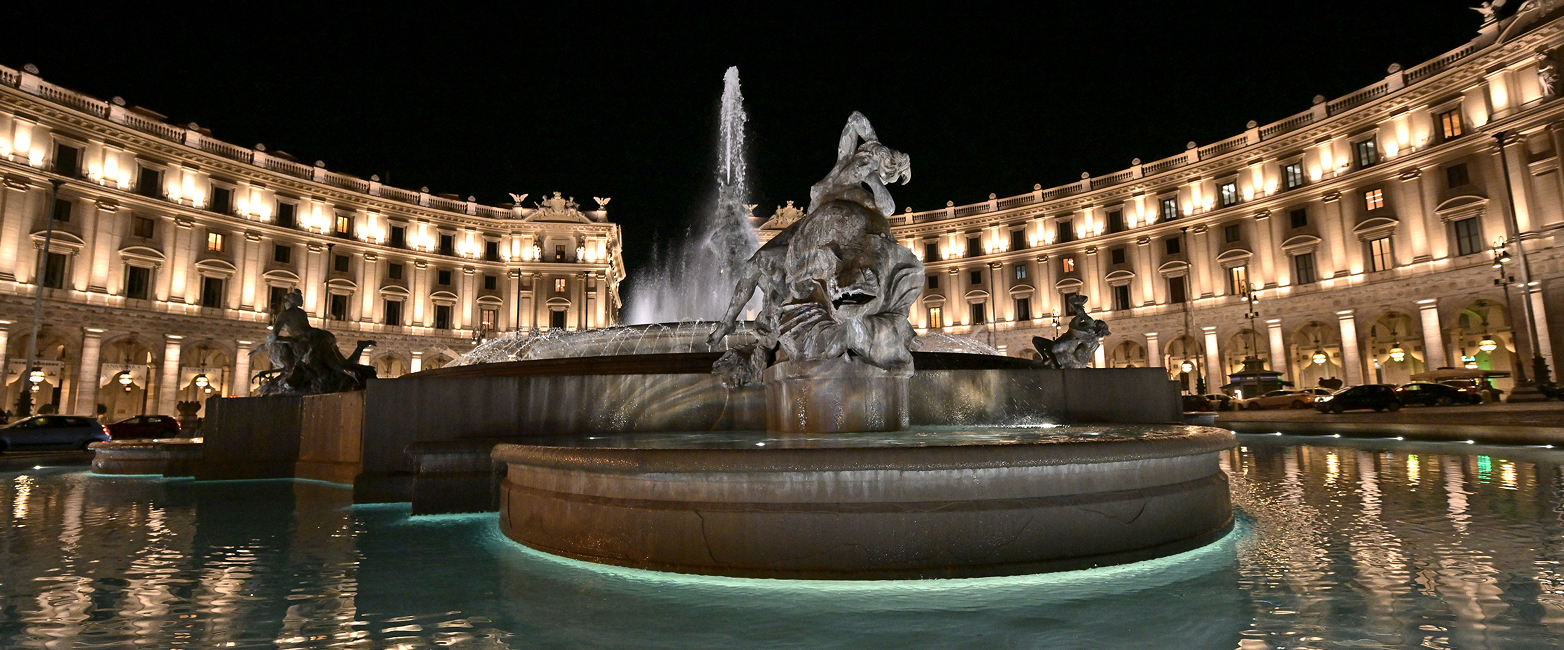
To illuminate this Baroque masterpiece, our technicians renovated the artistic lighting system of the fountain and installed floodlights to highlight its central structure.
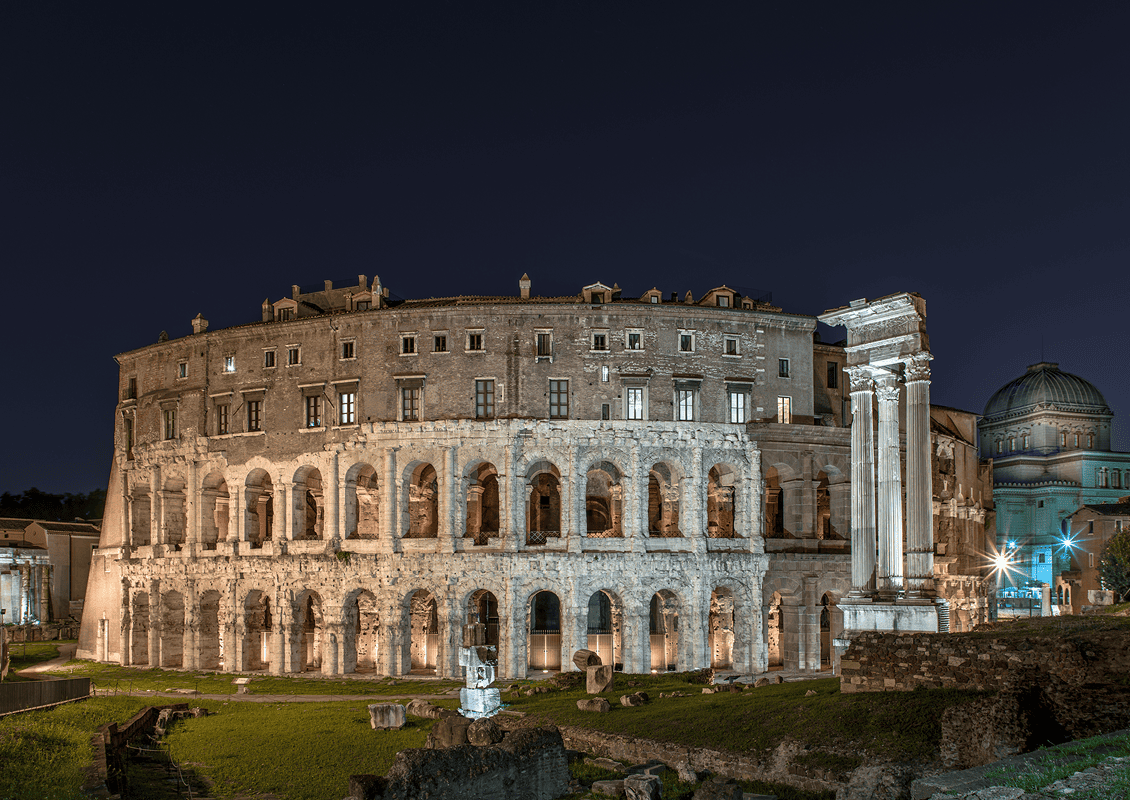
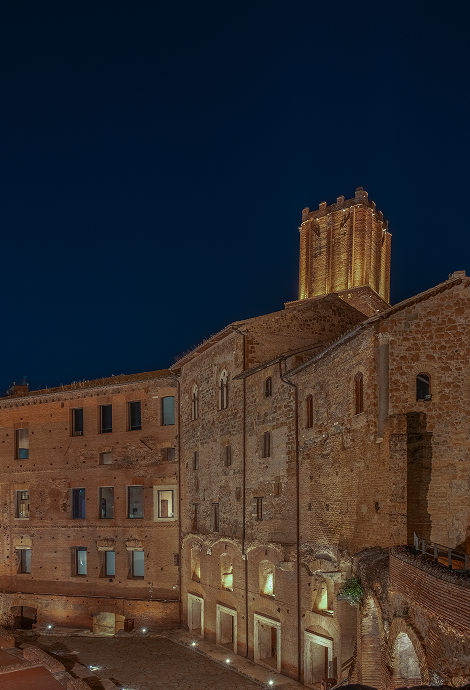
We fully illuminated the arches of the first and second tiers of the Theatre of Marcellus, along with the archaeological remains in the surrounding area, including the Corinthian columns of the Temple of Apollo Sosianus.
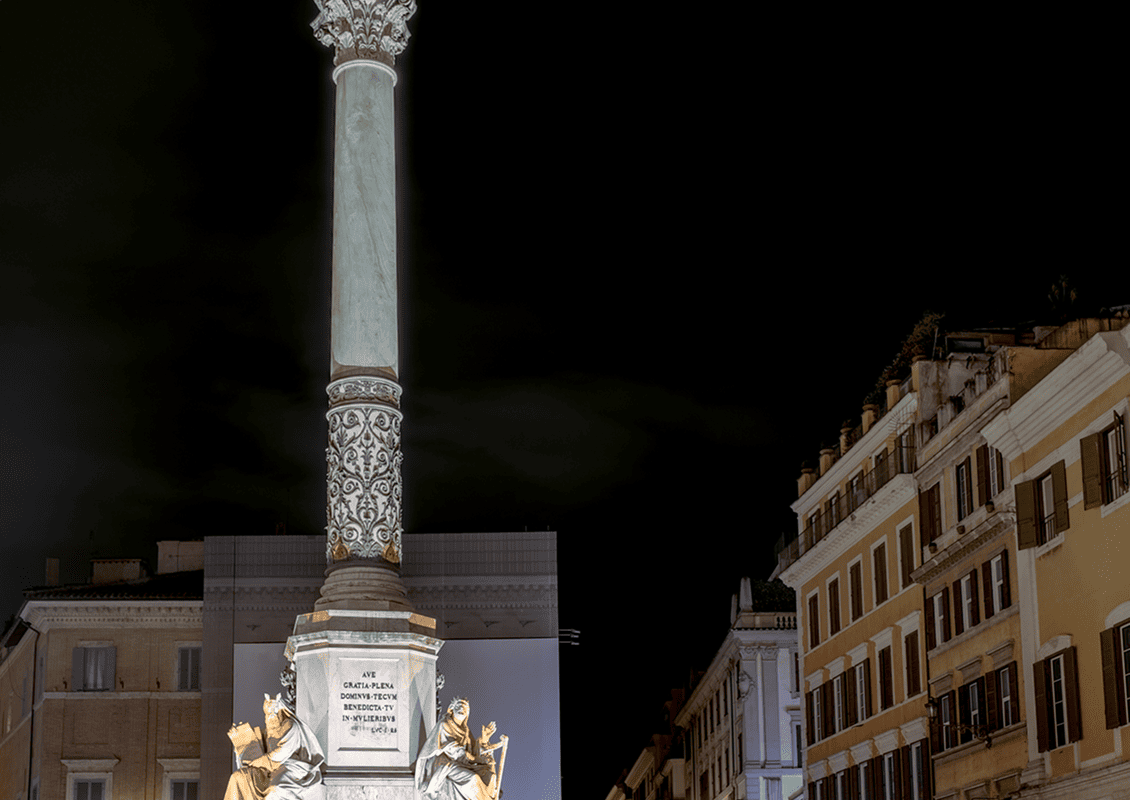
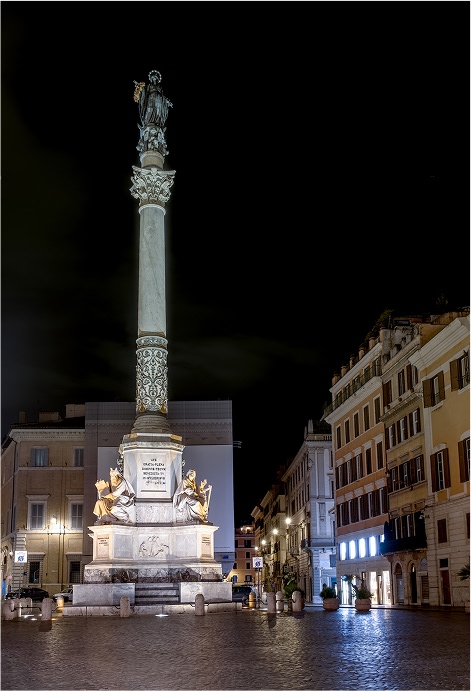
The lighting project for the Immacolata Column in Piazza Mignanelli was made possible thanks to a donation by Bruno Vespa and won the DALI Lighting Awards in 2021 in the category 'Best Outdoor Project’ category.
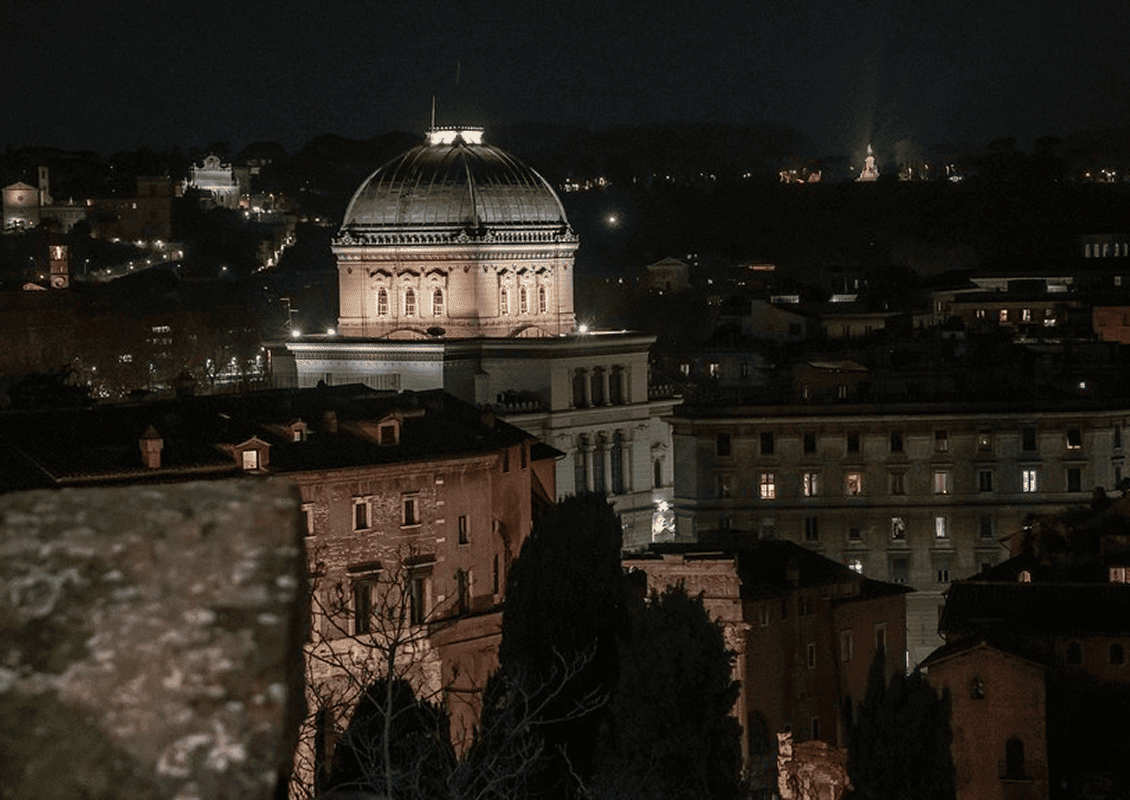
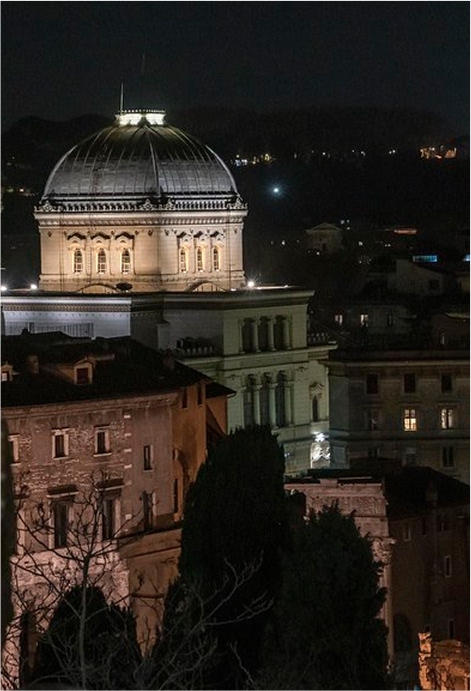
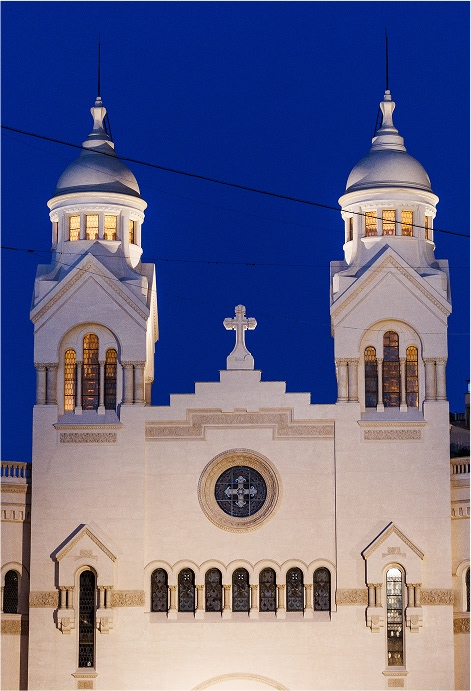
We illuminated the Great Synagogue of Rome by enhancing its distinctive features, such as the pavilion dome, the tambour, and the 12 windows, using technology that avoids light dispersion.
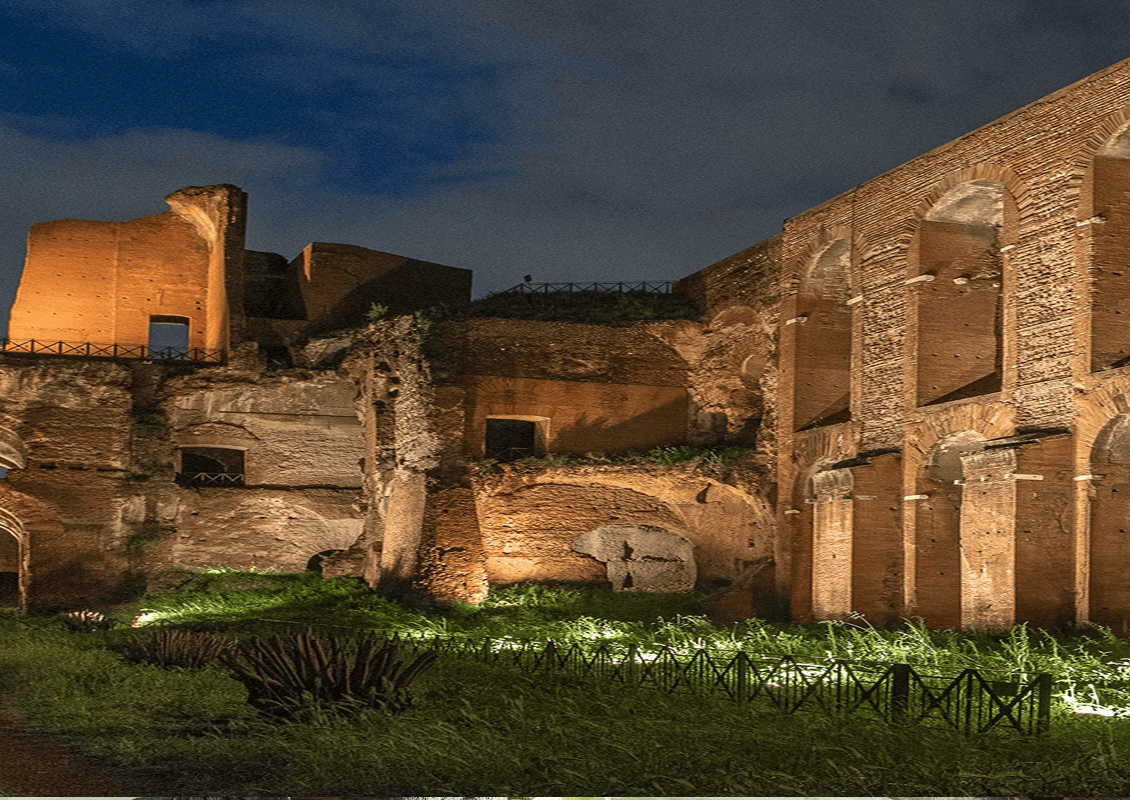
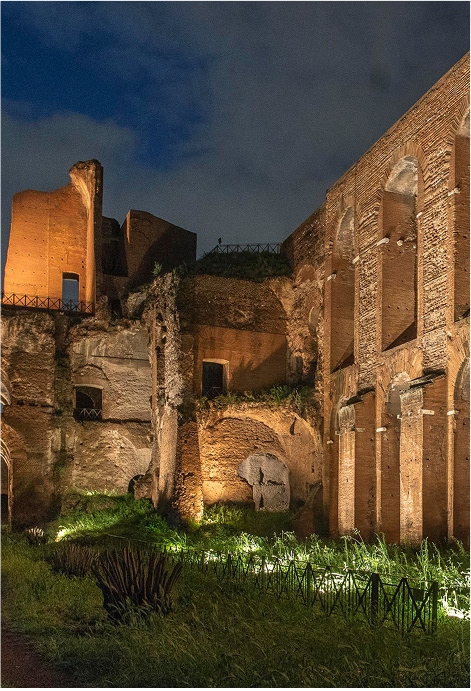
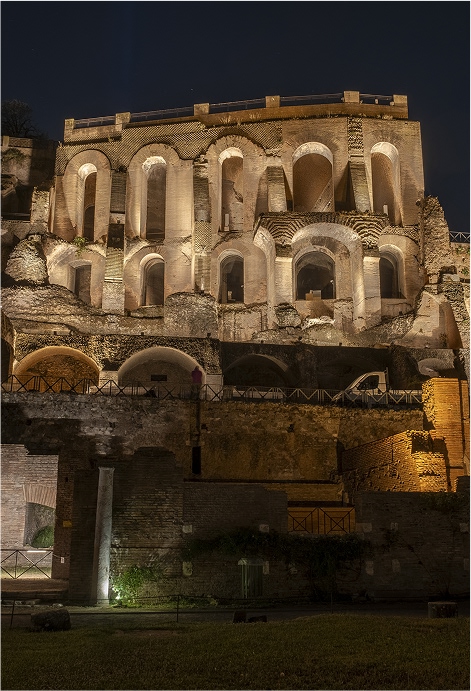
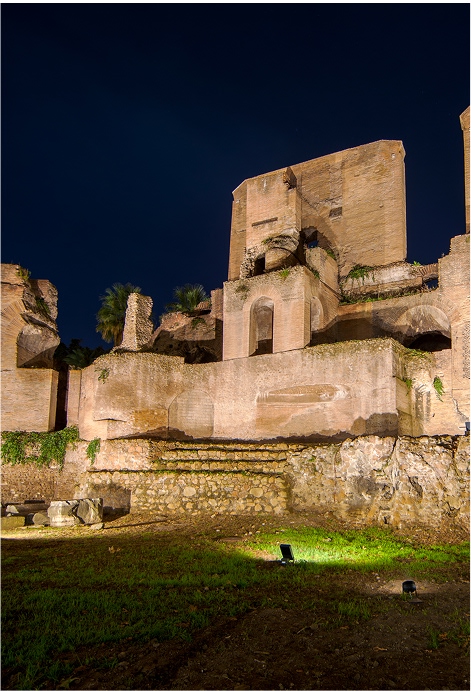
We renewed the lighting of the southern façade of the monumental archaeological area, overlooking the Circus Maximus, as well as the Domus Tiberiana, offering a renewed perspective on the southern slopes of the hill.
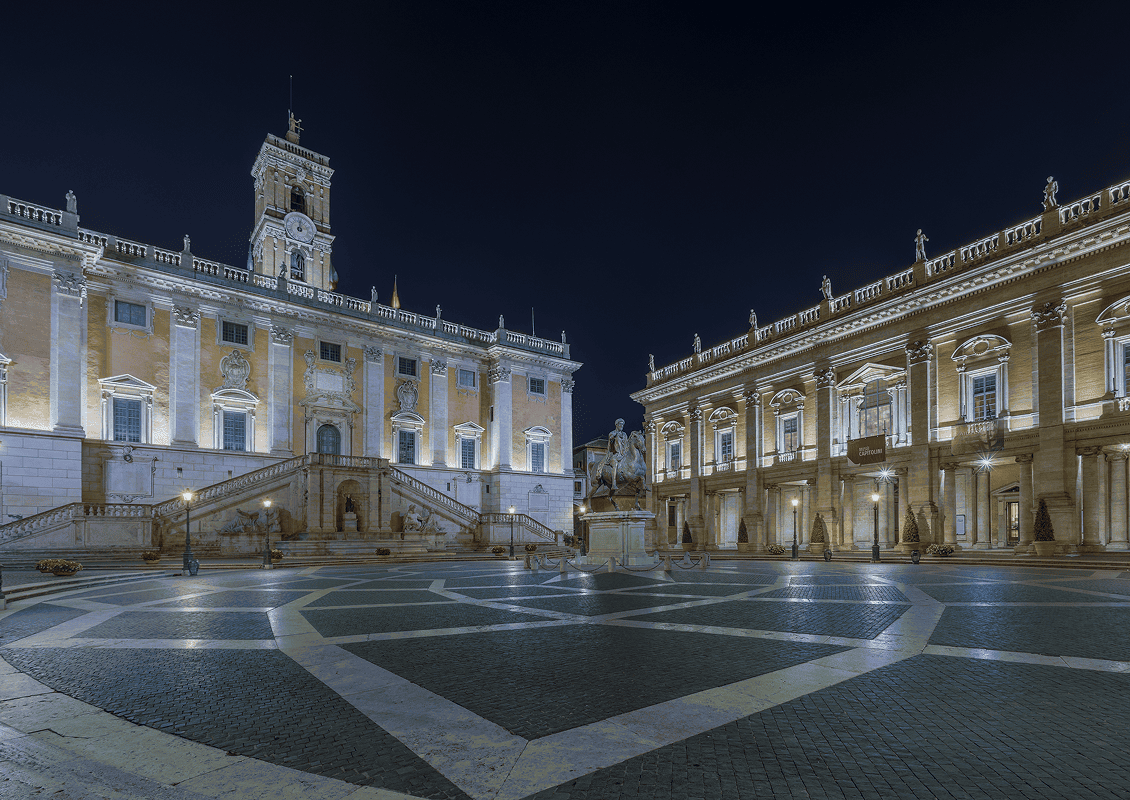
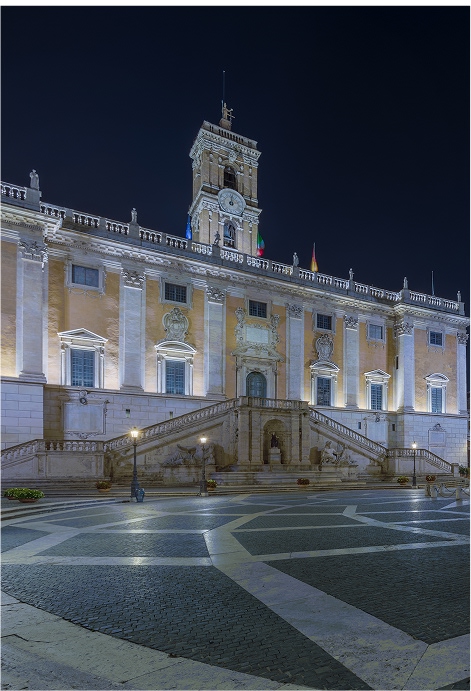
The new system illuminates the Capitolium, the Capitoline Museums, the square in front, the porticoes, and the Fountain of Dea Roma, and the Basilica of San Marco Evangelista al Campidoglio in Piazza Venezia.
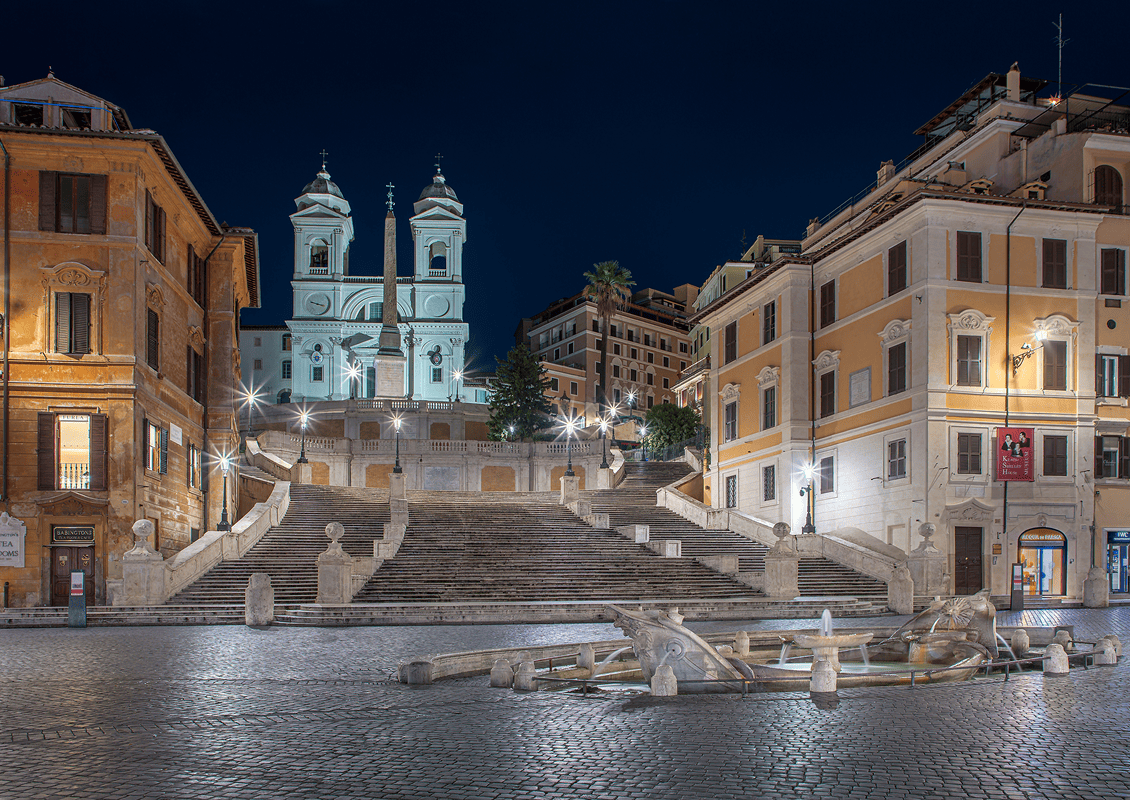
The famous staircase, which has already undergone careful restoration, now shines with new lighting featuring various optical effects: circular light for the outer walls and asymmetrical beams to guide the light.
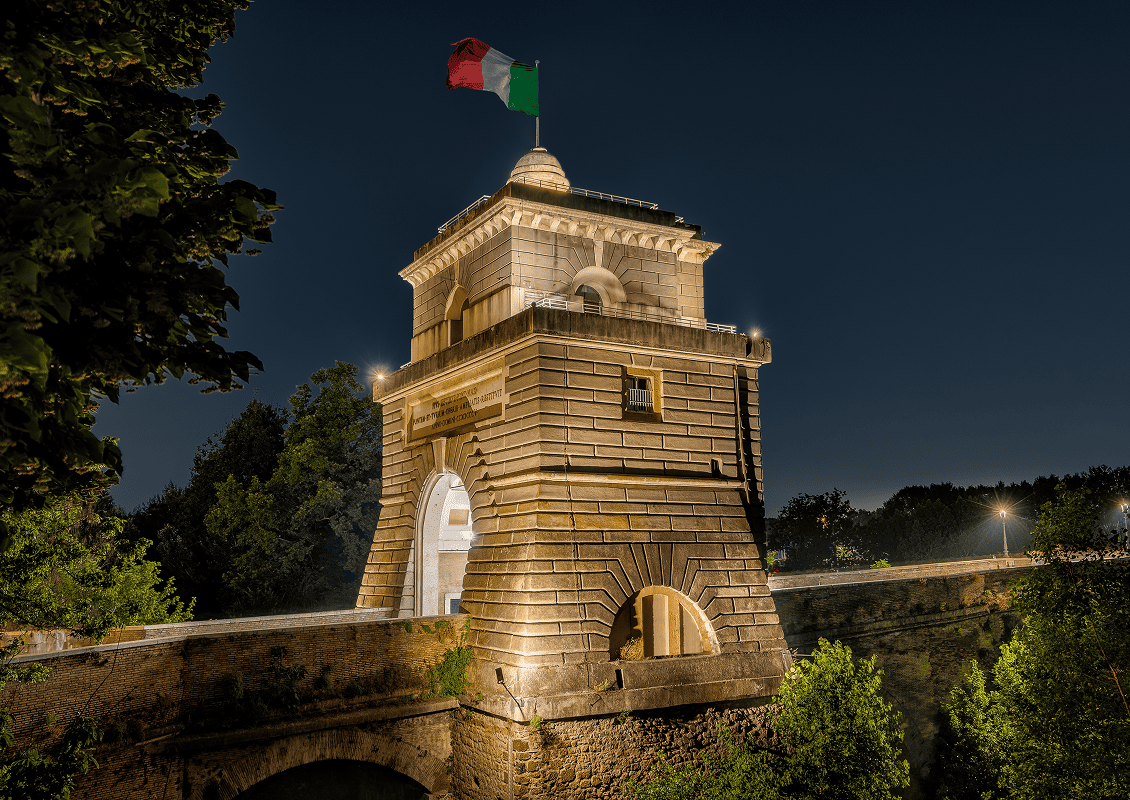
The 16 Bridges over the Tiber
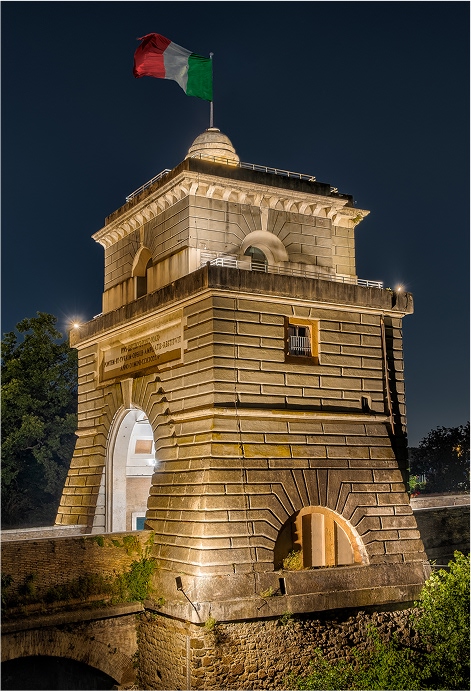
A river of light connects the city of Rome, from Ponte Milvio to the Ponte Cavour, through the renewed lighting of the 16 bridges over the Tiber.
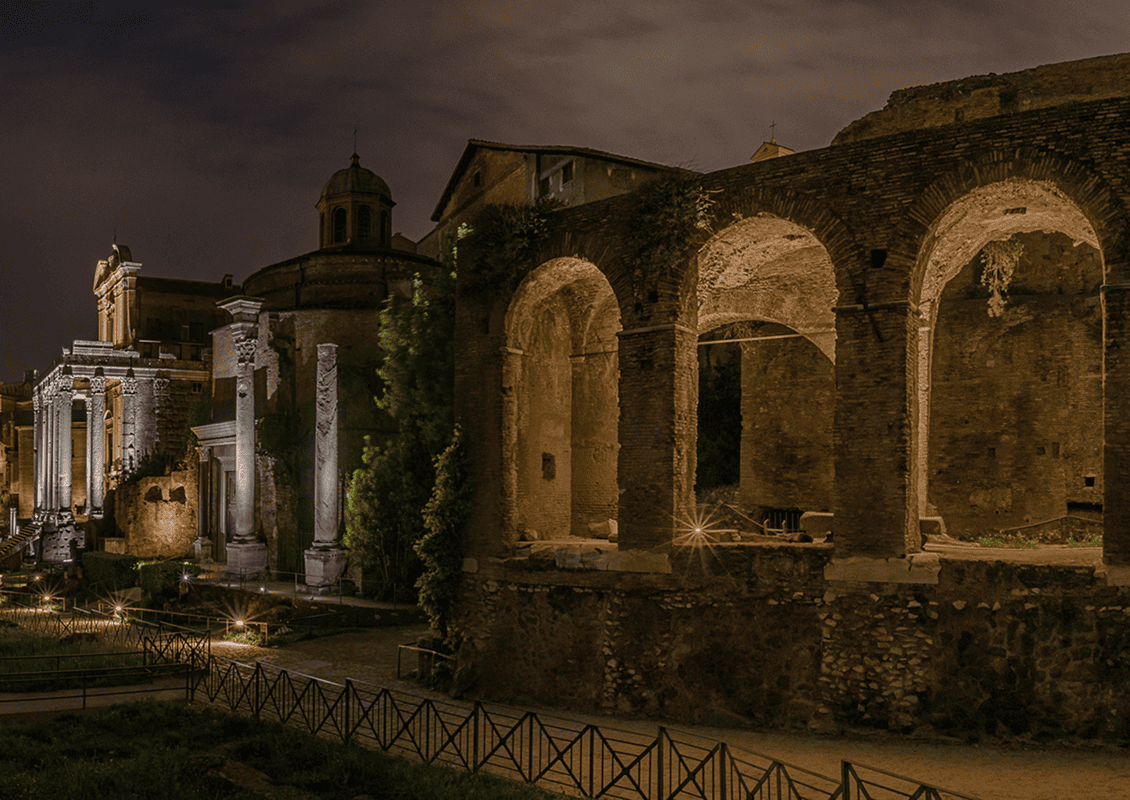
From dusk to dawn, the Roman Forum and Via dei Fori Imperiali are illuminated with a light that shifts in tone from white to gold. Despite using 530 lamps, the system ensures significant energy savings.
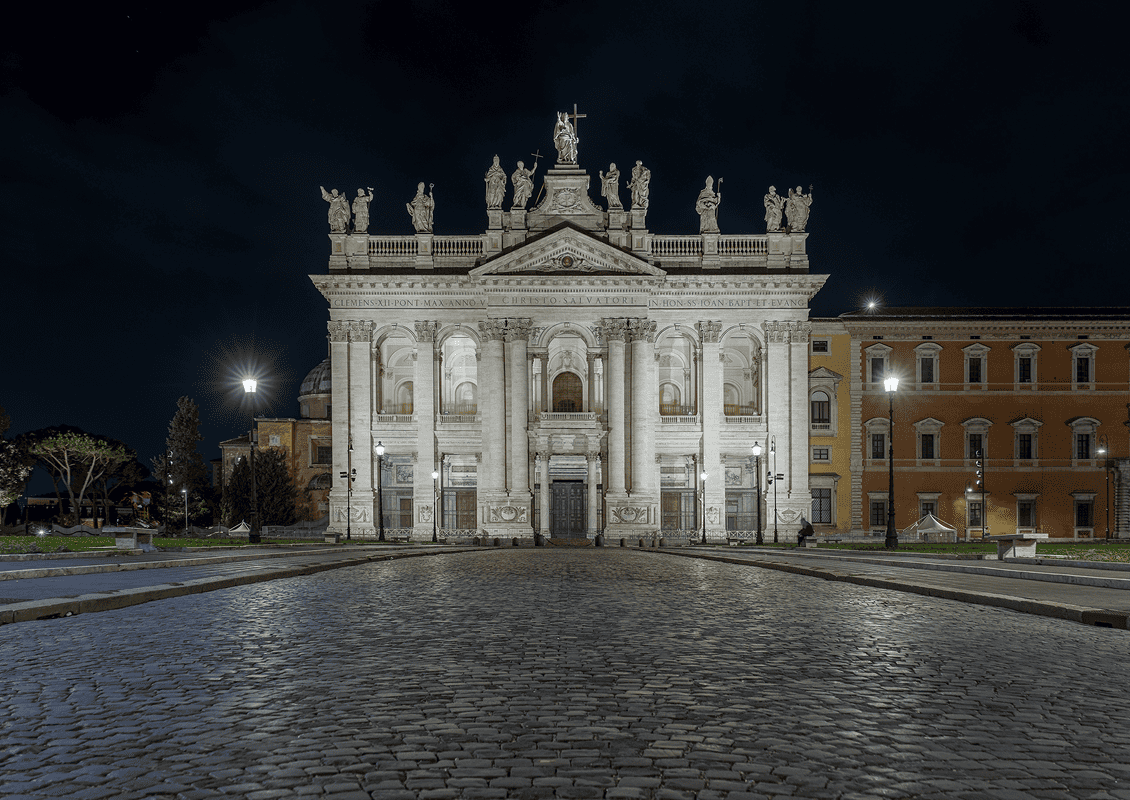
Abbiamo valorizzato la facciata, i prospetti laterali, la piazza, il portico e la loggia della basilica minimizzando l’impatto estetico dei proiettori e il consumo, che è diminuito notevolmente.
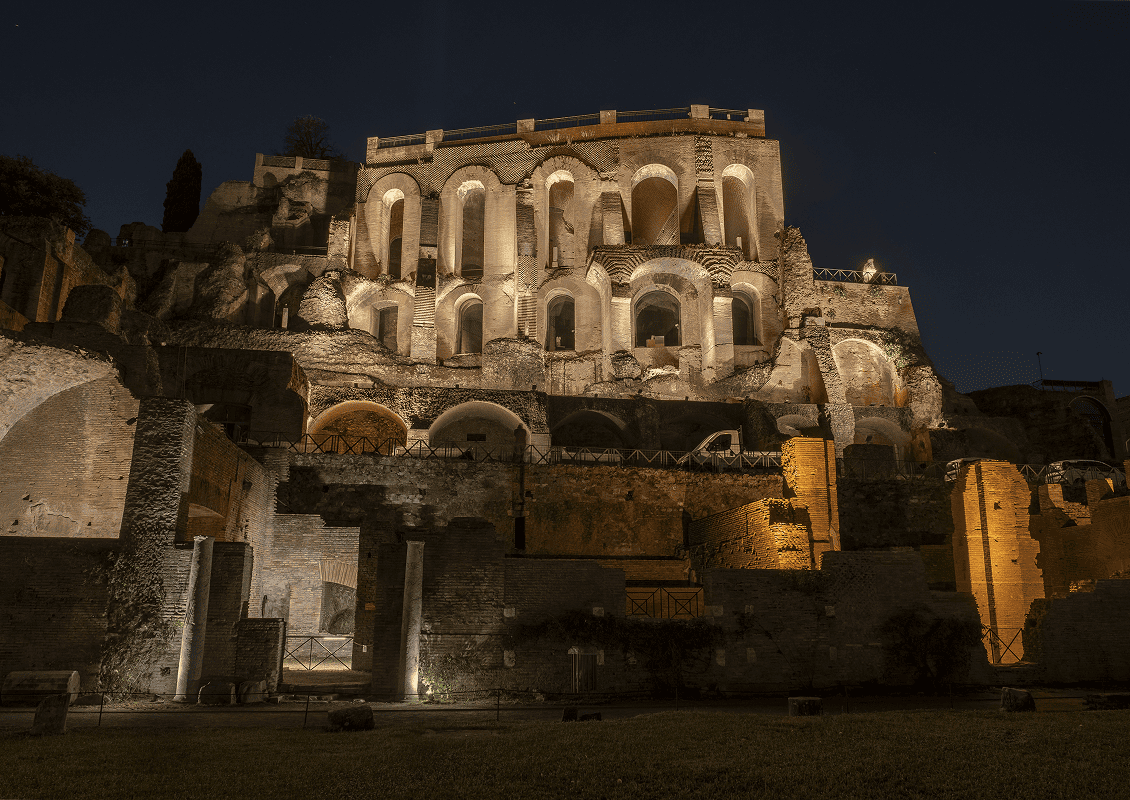
It is in the name of dynamism; we redesigned the lighting of the Domus of Tiberius. Thanks to tunable white technology, the lighting makes every moment of the evening unique, creating unique atmospheres.
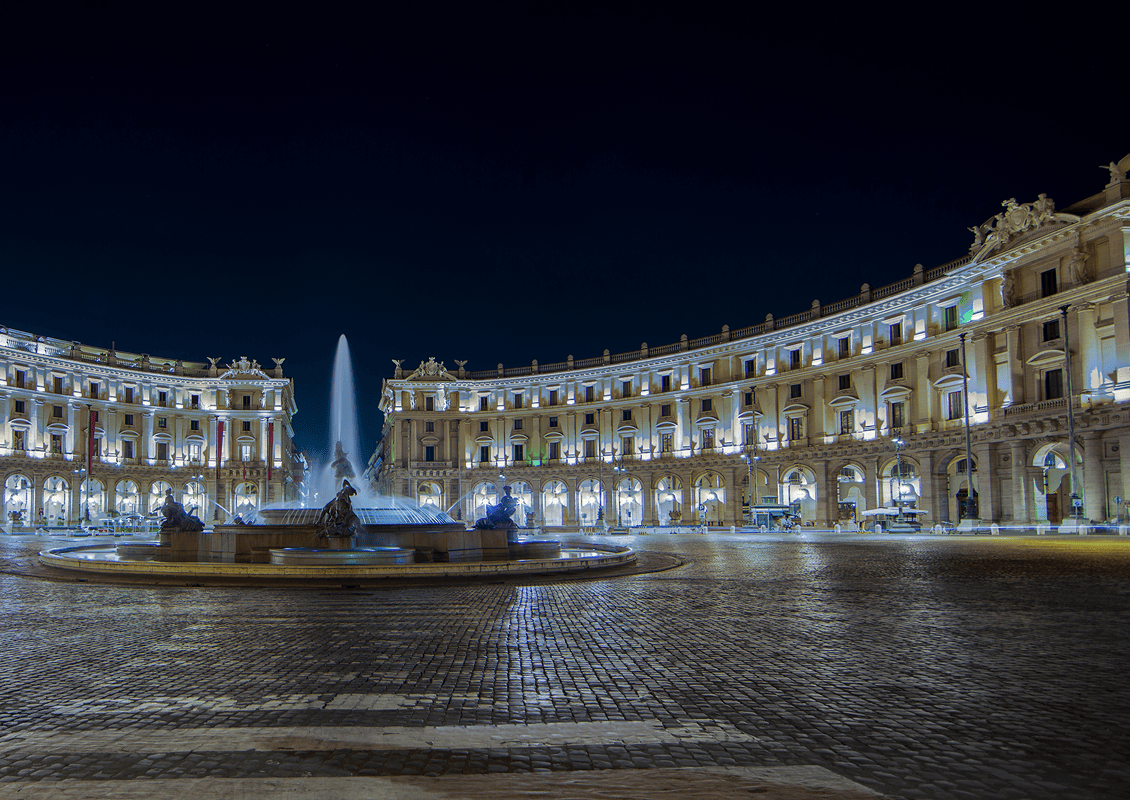
We illuminated the main and side elevations of the two buildings, enhancing the neoclassical façades with LED technology that integrates seamlessly into the surrounding environment.
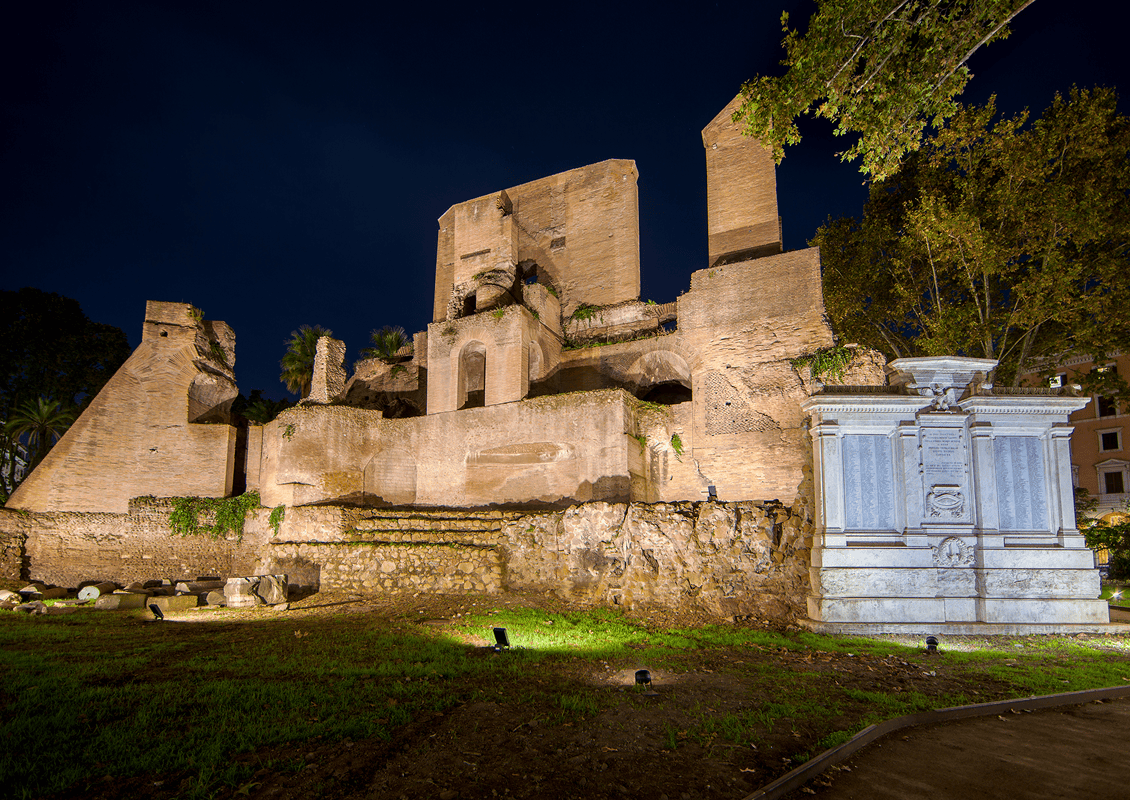
The chose calibrated lighting to enhance the material characteristics of the Nymphaeum of Alexander Severus, illuminating it with 29 floodlights of varying power levels.
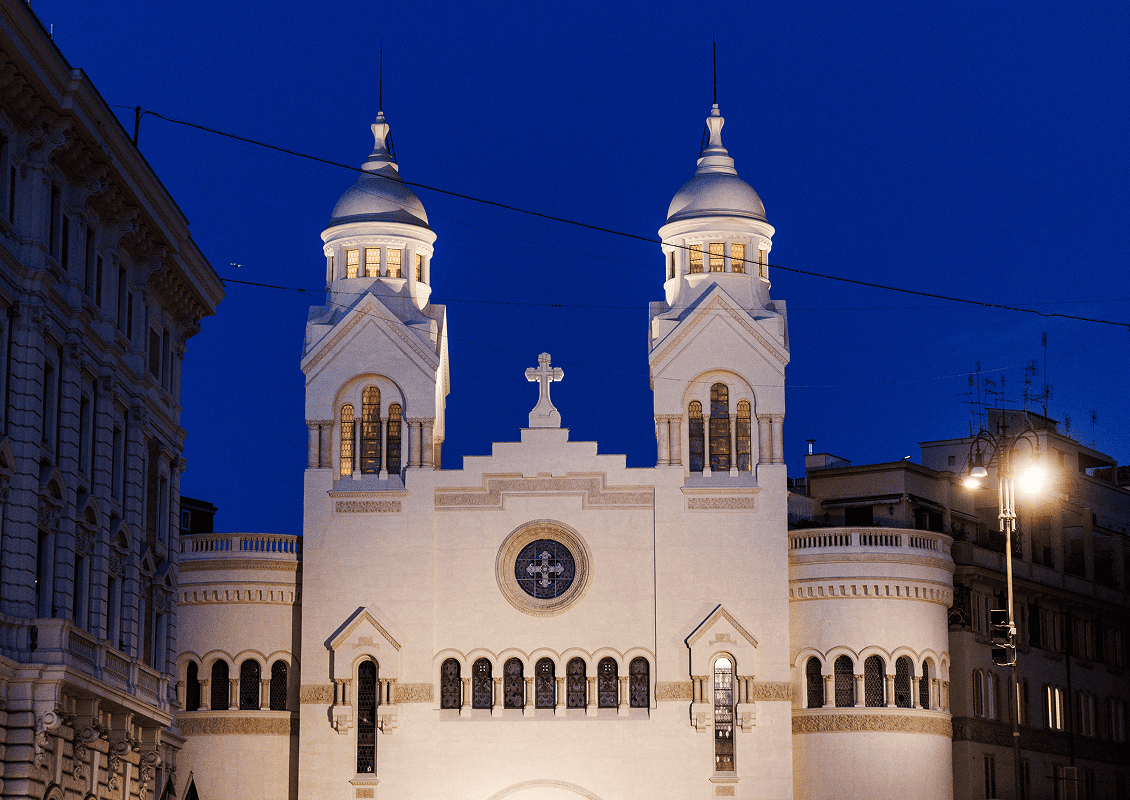
We redesigned the artistic lighting of the church, opting to soften its geometries with elliptical and roto-symmetrical optics.
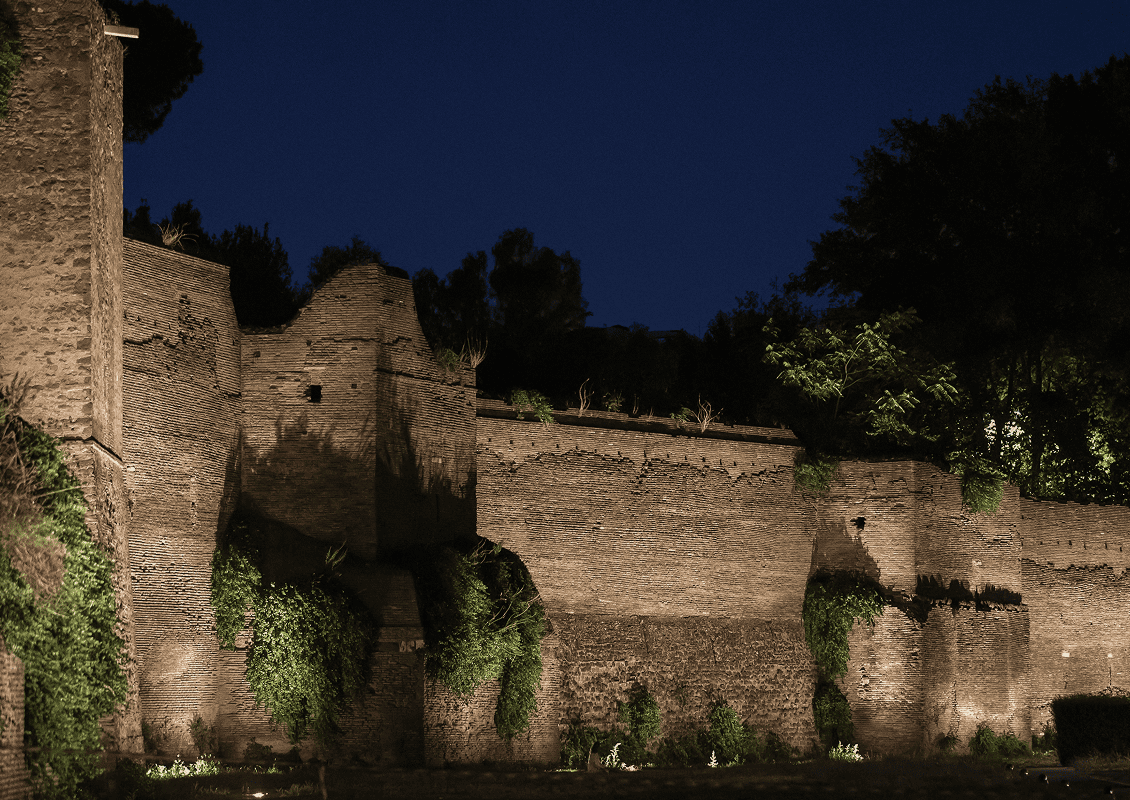
Grazie al nostro intervento, il tratto delle Mura compreso tra via Cristoforo Colombo e via Numidia ha acquisito nuova visibilità. 142 proiettori garantiscono ora un’illuminazione calda e uniforme.
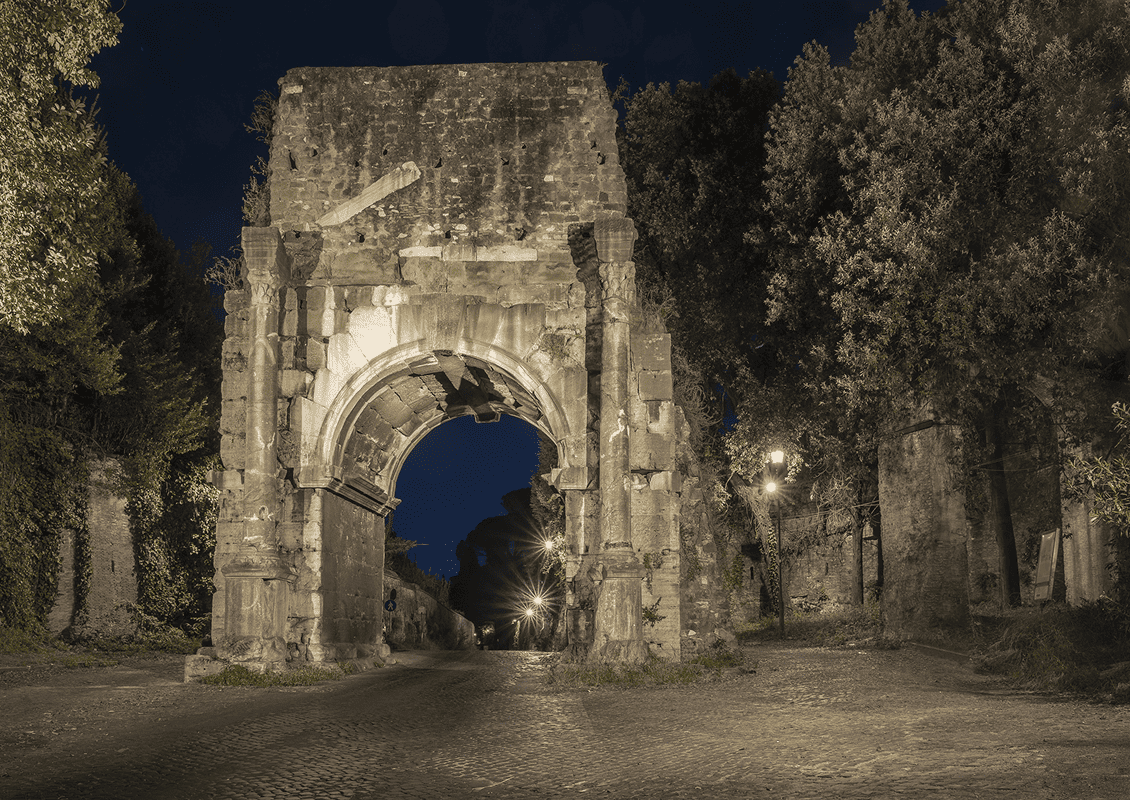
Form and depth: these are the guiding principles behind our intervention on one of Rome's most iconic gates. The new installation enhances the monument while minimizing its visual aesthetic impact.
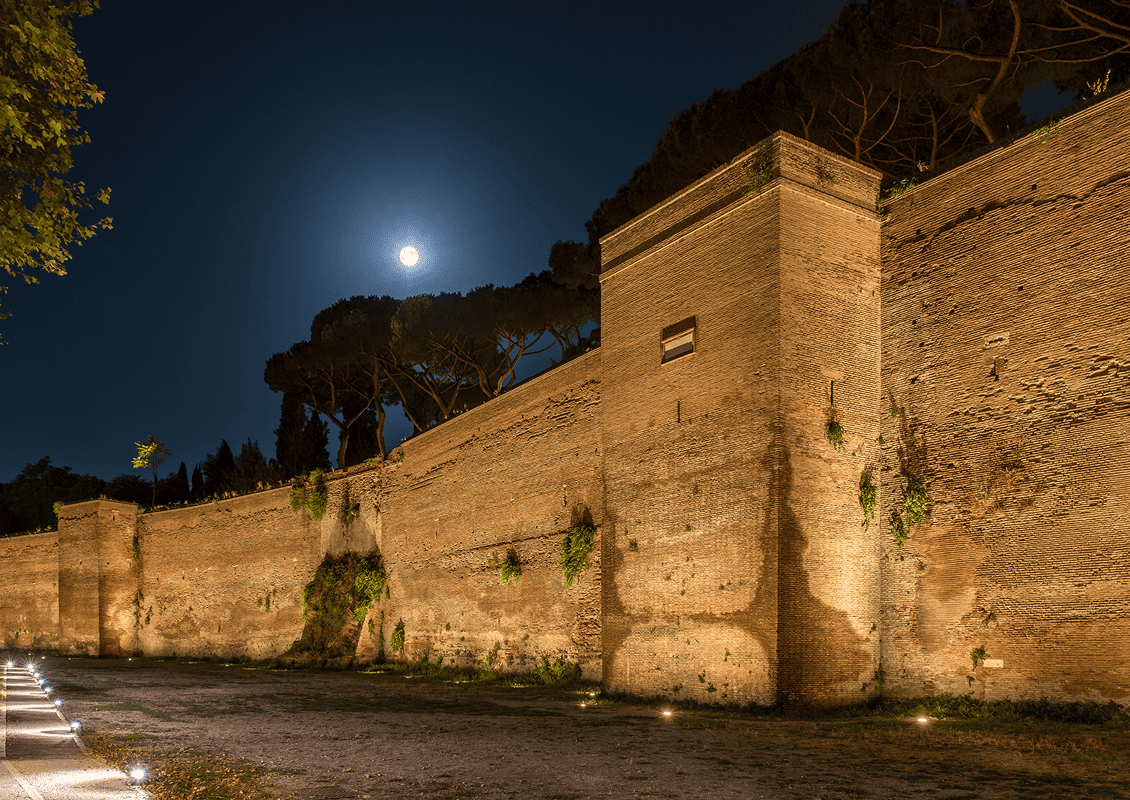
Abbiamo restituito profondità e suggestione alle Mura Aureliane, nel tratto di Viale Metronio. Il monumento è ora perfettamente integrato nel paesaggio urbano, grazie alla luce calda che lo avvolge.
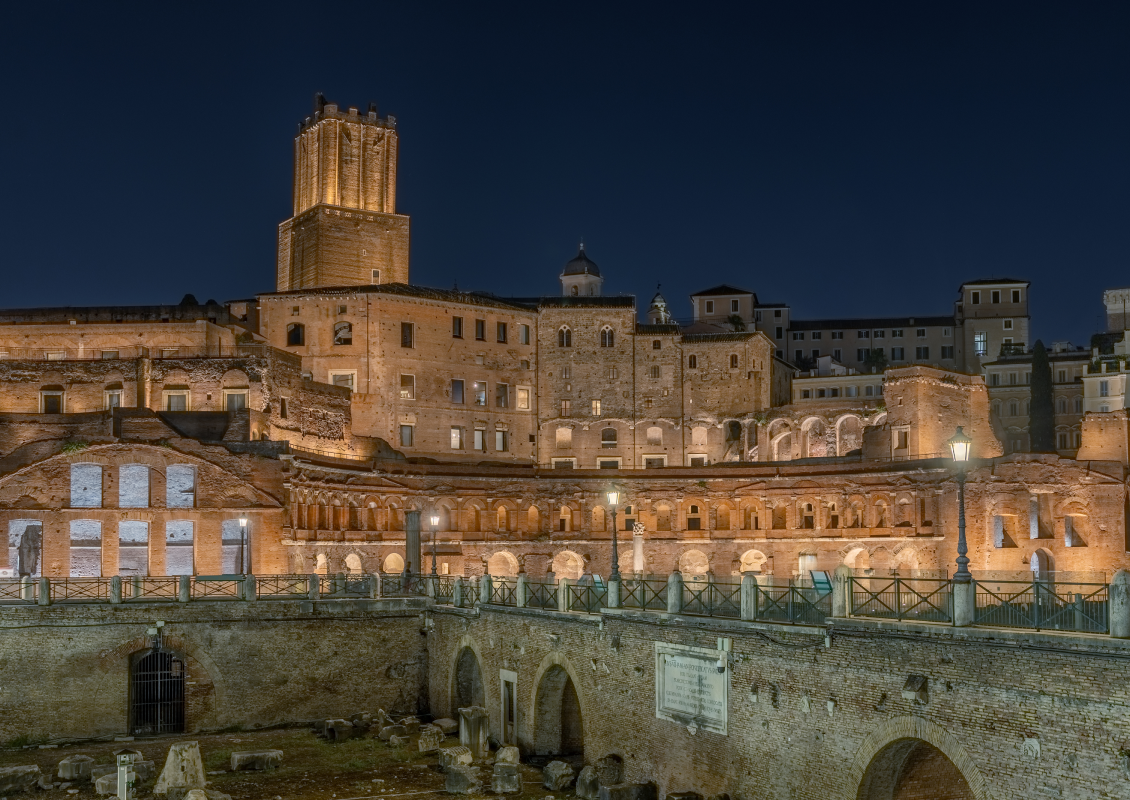
To offer a cohesive view of the monument as an urban backdrop, we illuminated the outer walls with spotlights and highlighted the details with semi-grazing lights.
Artistic lighting is the result of a collaboration between experts, technological innovation, and a deep respect for historical heritage.
Illuminating monuments, churches, and artworks requires a carefully planned project, overseen by specialized professionals: light designers (Monumental Lighting Designer and Head of Artistic Lighting Programming and Design).
The process involves art historians, officials from the Capitoline and State Superintendencies, architects, and archaeologists. This teamwork fosters the development of strategies that best valorize Rome’s historical heritage.
Innovation plays a key role, and thanks to 3D laser scanners we create three-dimensional models of monuments to design precise and sustainable interventions.